 Tinubu Presents ₦58.18 Trillion 2026 Budget to National Assembly
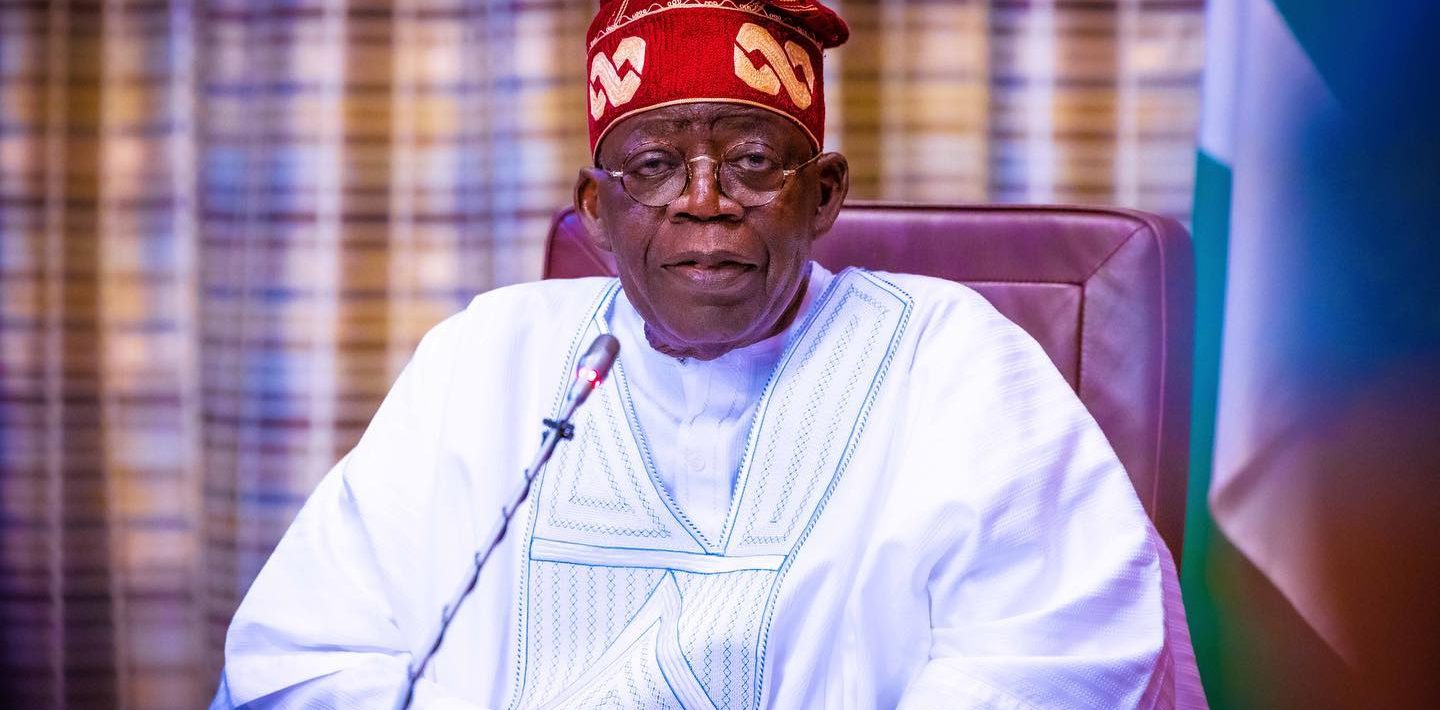
President Bola Ahmed Tinubu on Friday formally presented the ₦58.18 trillion 2026 Appropriation Bill to a joint session of the National Assembly, describing it as the “Budget of Consolidation, Renewed Resilience and Shared Prosperity.”
Addressing lawmakers at the National Assembly Complex, the President said the budget reflects the outcome of two and a half years of reforms, aimed at underpinning macro-economic stability, accelerating job-creating growth and delivering inclusive prosperity to Nigerians.
Tinubu said Nigeria’s economy is showing encouraging signs of improvement, citing a 3.98 per cent GDP growth in the third quarter of 2025, moderation in inflation to 14.45 per cent in November, and a rebound in foreign reserves to about $47 billion, the highest in seven years.
Fiscal Framework and Priorities
Under the proposed fiscal framework, the Federal Government projects:
Total revenue of ₦34.33 trillion
Total expenditure of ₦58.18 trillion
Debt servicing costs of ₦15.52 trillion
Recurrent non-debt expenditure of ₦15.25 trillion
Capital expenditure of ₦26.08 trillion
Budget deficit of ₦23.85 trillion (about 4.28% of GDP)
The budget is anchored on conservative macroeconomic assumptions – a crude oil price benchmark of US$64.85 per barrel, daily production of 1.84 million barrels, and an exchange rate target of ₦1,400 to the US dollar.
Security, Human Capital and Infrastructure
Security remains at the forefront of national priorities. The President allocated ₦5.41 trillion to defence and security, the largest single sectoral provision in the budget, reflecting the administration’s determination to tackle violent non-state actors and restore stability across the country.
Tinubu unveiled a new national counter-terrorism doctrine, reclassifying armed groups operating outside state authority – including bandits, militias and criminal gangs – as terrorists, and pledging unwavering action to eliminate ambiguity in law enforcement.
Education received ₦3.52 trillion, with the President highlighting the expansion of the Nigerian Education Loan Fund, which has supported over 418,000 students nationwide. The health sector was allocated ₦2.48 trillion, aimed at strengthening healthcare delivery, maternal and child health, and disease prevention.
Infrastructure, seen as a key enabler of private investment and job creation, was allotted ₦3.56 trillion, while agriculture — described by the President as central to food security — features prominently through mechanisation, irrigation, agro-processing and value-chain support.
Implementation and Outlook
President Tinubu stressed that the success of the 2026 budget will be determined by its execution, not its size. He directed ministries, departments and agencies (MDAs) to adhere strictly to appropriated timelines, enhance revenue mobilisation through digitisation and clamp down on leakages.
He called on the National Assembly to collaborate in refining and passing the Appropriation Bill, urging legislators to view the budget as a national compact rather than a partisan document.
EDITOR
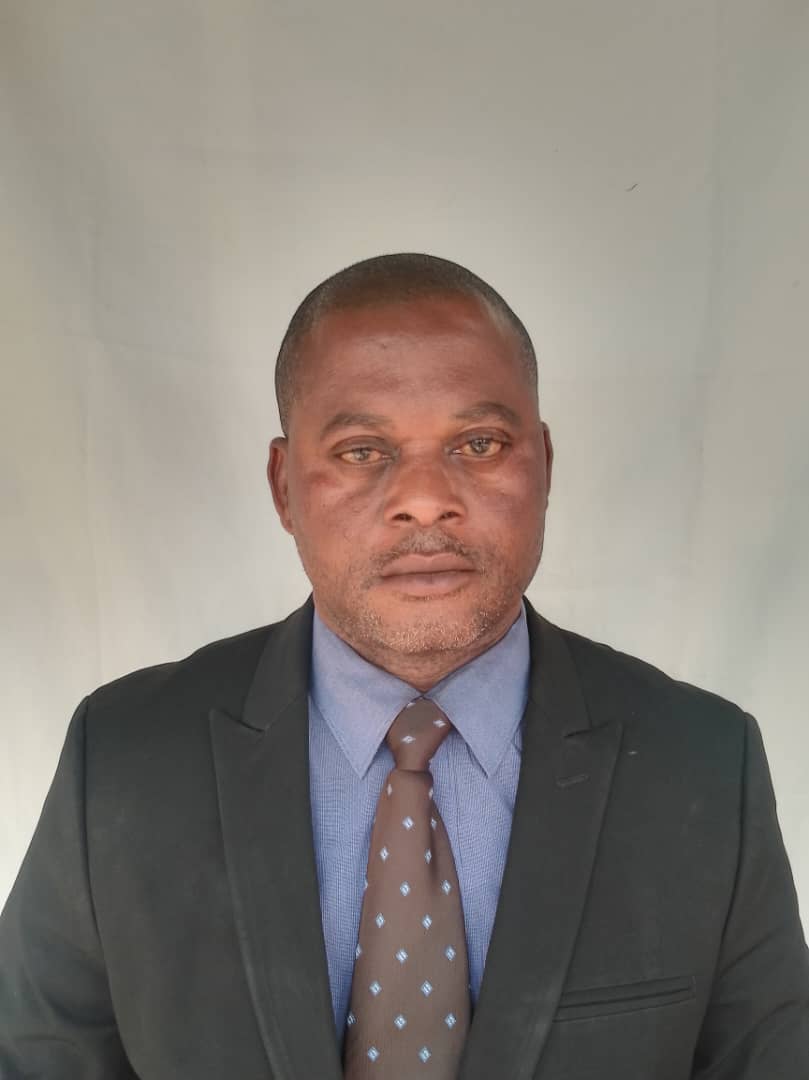
Sam Udekwe is a journalist working in the News and Current Affairs department, Enugu State Broadcasting Service (ESBS) Enugu. He is well trained in all genres of journalistic venture.
Mr Sam read Mass Communication, graduating all with Distinction in National Diploma, Higher National Diploma and Postgraduate Diploma at IMT, Enugu and Madonna University, Okija, Anambra state, as well as M.Sc Mass Communication with Second Class(Upper Division) at National Open University of Nigeria.
He is the immediate past NUJ Chairman, Enugu state.
samowailo@gmail.com