






 SEV2050 Stakeholders’ Forum Charts Shared Development Path for Southeast
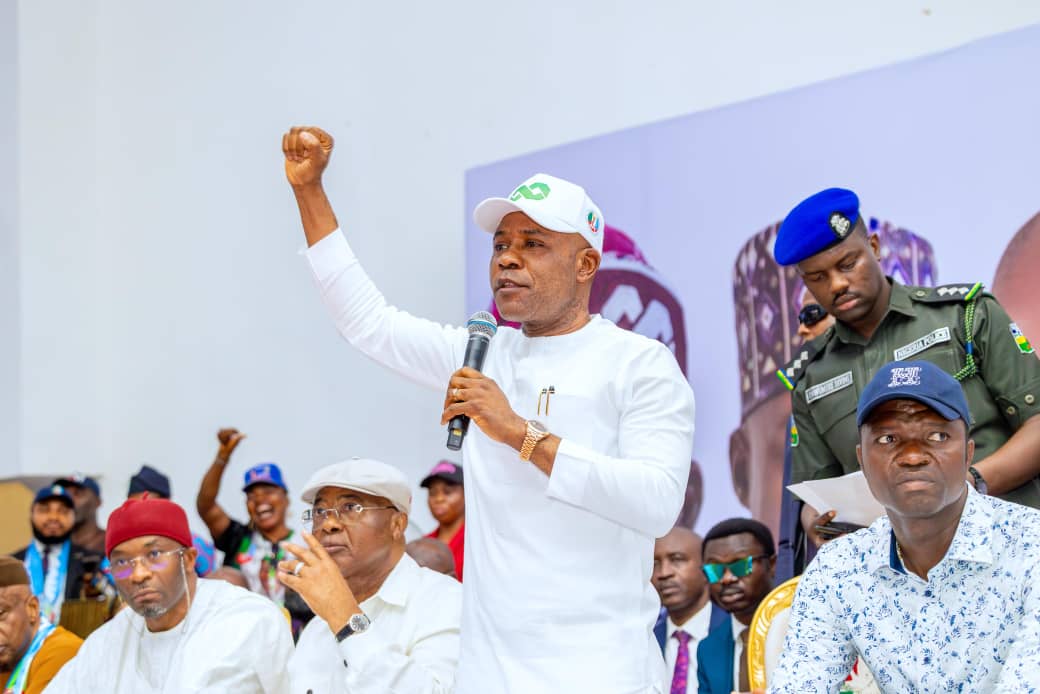
Political leaders, policymakers, private sector actors, development partners, traditional institutions and members of the diplomatic community, Tuesday converged on the International Conference Centre (ICC), Enugu, as the South East Vision 2050 (SEV2050) Stakeholders’ Forum commenced, setting in motion a coordinated roadmap for the long-term development of the Southeast.
Organised by the South East Development Commission (SEDC) and hosted by the Enugu State Government, the forum is themed “Charting a Shared Path to Sustainable Prosperity for the Southeast.” Day One focused on “Framing a Shared Development Future for the Southeast: Challenges, Choices and the Vision to 2050.”
Declaring the forum open on behalf of the Enugu State governor, Dr Peter Mbah, the Secretary to the State Government, Prof. Chidiebere Onyia, described the gathering as a landmark platform for strengthening regional cooperation, advancing long-term planning and promoting sustainable development across the Southeast.
Governor Mbah in his message reaffirmed his administration’s full support for the South East Vision 2050, describing the forum as a strategic milestone in the region’s collective economic journey.
He noted that the forum brings together government officials, private sector leaders, development partners, national institutions, political actors and members of the diaspora to foster inclusive and sustainable growth through shared ideas and coordinated action. The governor also pledged to provide a safe, secure and hospitable environment for all delegates.
Acknowledging the Southeast’s rich human capital, entrepreneurial dynamism, cultural heritage and resilience, Mbah stressed that unlocking these strengths requires deliberate planning, policy alignment and strong inter-state collaboration. He emphasised that no single state can achieve transformative development in isolation, making regional integration imperative.
In her address, the Senior Special Assistant to the President on Regional Development Programmes, Dr Miriam Temitope Masha, underscored the importance of regional development commissions in driving inclusive growth. She said the Southeast, endowed with dense human capital, a vibrant entrepreneurial culture and strong global connectivity, is particularly well-suited to a regional development approach.
According to her, major cities such as Aba, Nnewi, Onitsha and Enugu already operate as an integrated economic ecosystem, linked by trade, labour mobility and transport networks. However, Dr Masha cautioned that institutional frameworks alone would not deliver results without strong political will, private sector collaboration and active community engagement.
She urged stakeholders to prioritise tangible, people-centred outcomes that consolidate the region’s strengths while addressing its structural challenges.
President-General of Ohanaeze Ndigbo Worldwide, Senator John Azuta-Mbata, described the forum as a milestone in shaping the collective future of the Southeast. He called on participants to move beyond dialogue to concrete actions capable of translating ideas into measurable development outcomes.
From the private sector, the Chairman of the Manufacturers Association of Nigeria (MAN), Southeast, Lady Ada Chukwudozie, described Vision 2050 as critical to the region’s industrialisation and economic transformation. She highlighted the Southeast’s comparative advantages, including a strong base of indigenous manufacturers and significant diaspora capital.
She, however, identified persistent challenges such as infrastructure deficits, weak logistics and limited access to long-term finance. To address these constraints, Chukwudozie advocated affordable and reliable energy, shared industrial infrastructure, patient capital, industrial parks, SME clusters and agro-processing corridors as drivers of a production-led economy.
International goodwill also featured at the forum, with the Kenyan Ambassador to Nigeria, Mr Isaac Keen Parashina, expressing optimism about Nigeria–Kenya relations. He described the bilateral partnership as strategic and reaffirmed Kenya’s readiness to deepen collaboration with Nigeria in tourism, agriculture, trade and people-to-people exchanges.
Also speaking, former First Lady of Ondo State, Mrs Betty Anyanwu-Akeredolu, called for a non-partisan and community-focused approach to the work of the SEDC. She emphasised the importance of education, youth empowerment, sustainable energy and digital inclusion, urging an implementation-driven strategy anchored on clear targets, accountability and the active inclusion of women and young people.
Chairman of the SEDC Board and former Minister of Labour, Chief Emeka Nwogu, commended President Bola Ahmed Tinubu for establishing the commission. He stressed that development is not the responsibility of government alone, urging all stakeholders to engage constructively in the region’s development agenda.
Declaring the technical sessions open, the Managing Director of the SEDC, Hon. Mark Okoye, described the forum as a turning point in how development is conceived and executed in the Southeast. He said ideas generated at the forum would form the backbone of the region’s long-term development framework, calling on participants to be focused, pragmatic and deliberate.
The South East Vision 2050 Stakeholders’ Forum continues with technical and strategic sessions aimed at translating shared aspirations into actionable and sustainable outcomes for the region.
EDITOR
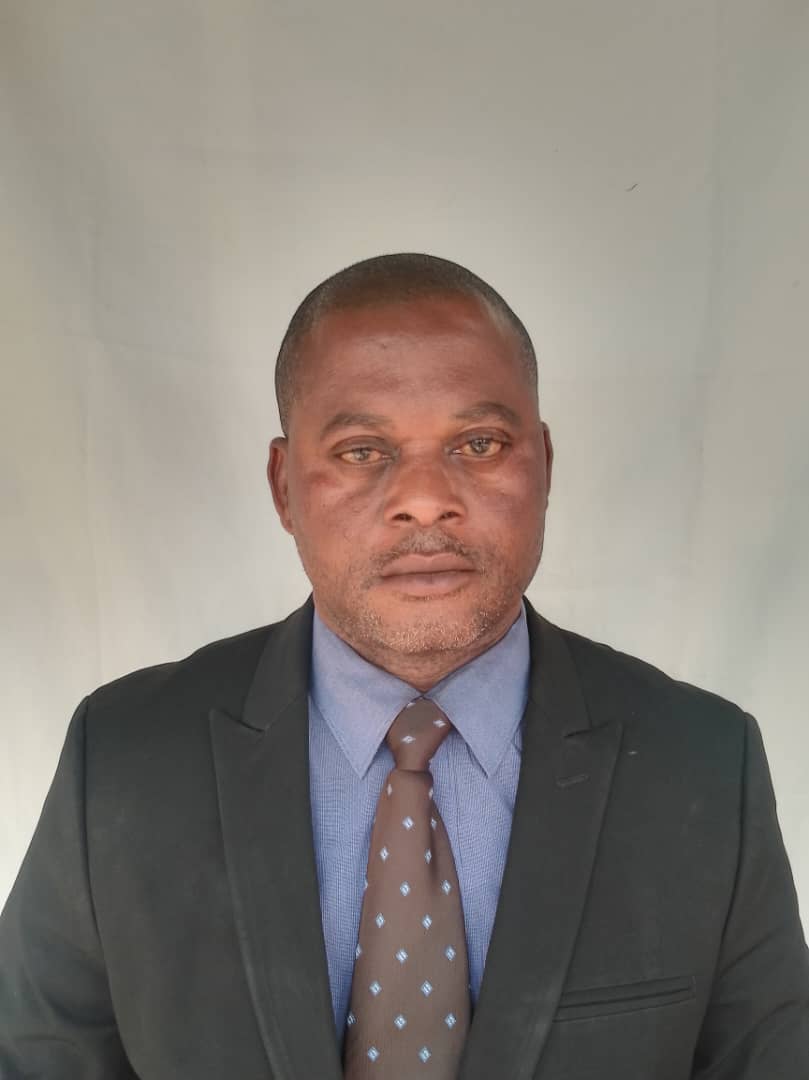
Sam Udekwe is a journalist working in the News and Current Affairs department, Enugu State Broadcasting Service (ESBS) Enugu. He is well trained in all genres of journalistic venture.
Mr Sam read Mass Communication, graduating all with Distinction in National Diploma, Higher National Diploma and Postgraduate Diploma at IMT, Enugu and Madonna University, Okija, Anambra state, as well as M.Sc Mass Communication with Second Class(Upper Division) at National Open University of Nigeria.
He is the immediate past NUJ Chairman, Enugu state.
samowailo@gmail.com