







 When the Bush Becomes a Toilet: The Hidden Dangers of Open Defecation
Editorial
Festive seasons in rural Nigeria are usually defined by warmth and colour. Villages come alive as indigenes return from distant cities, masquerades reclaim ancestral squares, and kitchens overflow with special delicacies prepared only on such occasions. These moments of cultural pride, however, often mask a troubling contradiction — an environment celebrating life while quietly nurturing practices that threaten health, dignity and survival. One such practice is open defecation.
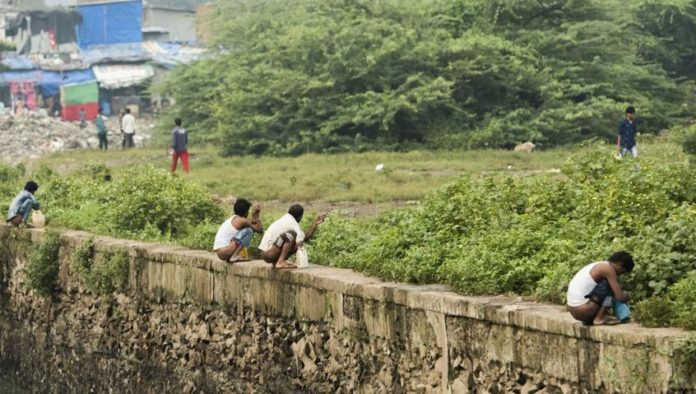
A careful observation of many hinterland communities during festivities reveals an unsettling pattern. Bush paths, farmlands, riverbanks and abandoned plots are routinely converted into makeshift toilets. For the villagers, this is neither rebellion against modern norms nor ignorance of hygiene. Rather, it is the outcome of decades of neglect, poverty and infrastructural deficits. Many houses were constructed without toilet facilities, leaving residents with little choice when the call of nature comes.
Festive periods further compound the challenge. The consumption of oily, spicy and unfamiliar celebratory foods often leads to increased bowel activity. With no household toilets, people – children, adults and the elderly alike, retreat to nearby bushes at all hours. Human waste accumulates in the open, turning what should be seasons of joy into periods of heightened environmental contamination and health risk.
Open defecation is not merely an eyesore or an inconvenience; it is a public health emergency with far-reaching consequences. Human faeces deposited in open spaces contaminate soil, food and water sources. During rainfall, waste is washed into streams and rivers, many of which serve as primary sources of drinking and domestic water for rural households.
This contamination fuels the spread of preventable diseases such as cholera, diarrhoea, dysentery, typhoid fever and intestinal worm infections. Health practitioners warn that outbreaks of these diseases are often traced back to poor sanitation practices, especially in communities without access to safe toilets and clean water.
Children bear the heaviest burden. Playing barefoot in contaminated surroundings exposes them to harmful pathogens, leading to frequent illnesses that impair physical and cognitive development. Repeated infections weaken immunity, cause malnutrition and, in severe cases, result in death. The cycle of sickness deepens poverty, as families spend scarce resources on treatment instead of education or livelihoods.
Beyond disease, open defecation represents a profound assault on human dignity. Privacy is sacrificed, and shame becomes routine. Women and girls are particularly vulnerable. Many wait until nightfall to relieve themselves, exposing them to sexual harassment, attacks, snake bites and other dangers. In a society striving for equity and progress, such conditions underscore deep-rooted inequalities.
Globally, the fight against open defecation has gained prominence as part of broader efforts to improve sanitation and public health. The Open Defecation Free (ODF) campaign, supported by international development partners, aims to eliminate the practice through access to toilets, behavioural change and community ownership of hygiene standards. The United Nations recognises access to sanitation as a basic human right essential to sustainable development.
Nigeria is a signatory to these global commitments and has adopted policies mandating that every household should have access to a toilet. The practice of defecating in the open is officially unacceptable under modern public health regulations. Yet, the reality in many rural communities tells a different story.
Weak enforcement, inadequate funding and limited public enlightenment have slowed progress. Sanitation campaigns often fail to penetrate remote villages, while poverty makes toilet construction unaffordable for many households. As a result, the global message against open defecation has struggled to resonate at the grassroots, where daily survival often takes precedence over long-term health considerations.
Eliminating open defecation requires more than policy statements and international targets. It demands sustained political will, community engagement and practical solutions tailored to local realities. Low-cost, culturally appropriate toilet designs can significantly improve access if supported by government subsidies and technical assistance.
Traditional rulers, community leaders and religious institutions also have crucial roles to play. As trusted voices, they can influence behaviour, challenge harmful norms and promote hygienic practices. Education remains central to this effort. Communities must understand that open defecation is not a private matter but a collective risk – one person’s actions can endanger the health of all.
As Nigeria strives to meet global development goals, the persistence of open defecation stands as a stark reminder of unfinished business. Development cannot flourish in environments where basic sanitation is absent and human dignity compromised.
The bush should no longer serve as a toilet. Access to safe, decent sanitation is not a luxury but a necessity. Until policies translate into action and awareness leads to behavioural change, rural communities will continue to pay the price for a problem the world already knows how to solve.

EDITOR
Sam Udekwe is a journalist working in the News and Current Affairs department, Enugu State Broadcasting Service (ESBS) Enugu. He is well trained in all genres of journalistic venture.
Mr Sam read Mass Communication, graduating all with Distinction in National Diploma, Higher National Diploma and Postgraduate Diploma at IMT, Enugu and Madonna University, Okija, Anambra state, as well as M.Sc Mass Communication at National Open University of Nigeria.
He is the immediate past NUJ Chairman, Enugu state.
samowailo@gmail.com