






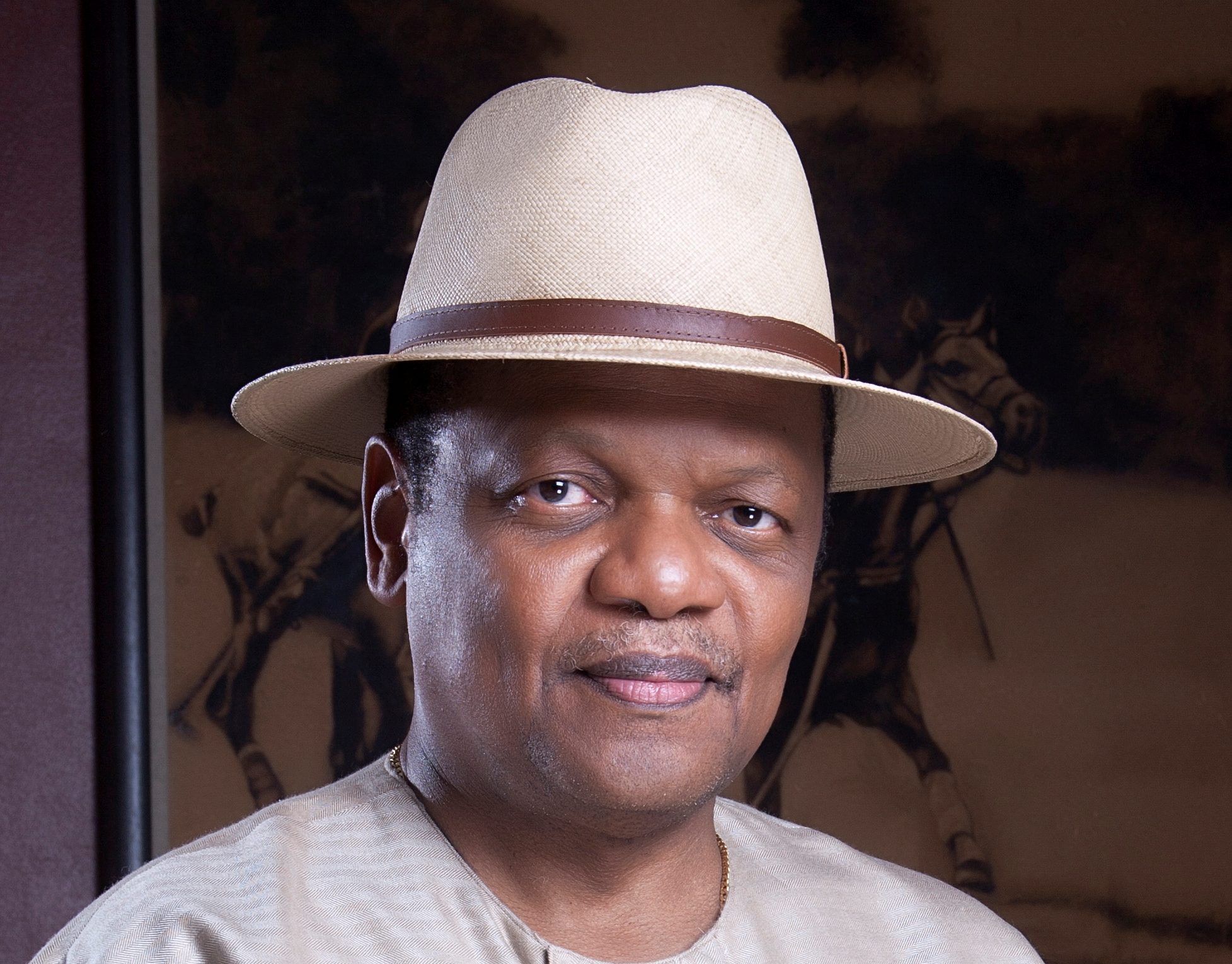
 2027: Allow Downloaded PVCs for Voting, Atedo Peterside Urges INEC
Says failure to deliver voter cards should not disenfranchise Nigerians, urges youths to reject apathy
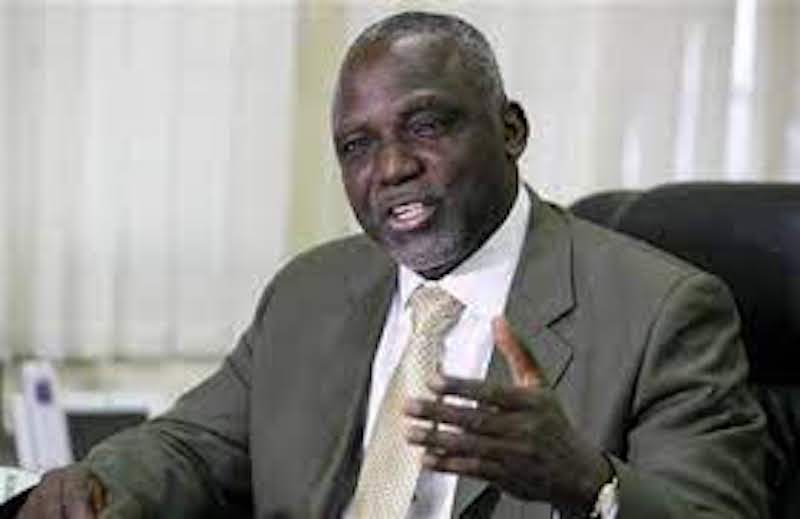
Public affairs commentator and founder of Stanbic IBTC Bank, Chief Atedo Peterside, has called on the Independent National Electoral Commission (INEC) to allow eligible Nigerians to vote with downloaded copies of their Permanent Voter Cards (PVCs), arguing that the commission should not punish citizens for its inability to deliver the physical cards.
Peterside, who is also the President and Founder of the ANAP Foundation, made the call on Monday while speaking on Channels Television’s Sunrise Daily programme.
He maintained that it is INEC’s constitutional responsibility to produce and distribute Permanent Voter Cards to registered voters, stressing that where the commission fails to fulfil that obligation, eligible citizens should not be denied their right to vote.
According to him, any registered voter whose name appears in the official voters’ register and who can present a downloaded PVC alongside a valid means of identification should be allowed to participate in elections.
“It is not the fault of a Nigerian voter that INEC could not deliver the physical PVC after the person has successfully registered,” Peterside said.
“The right to vote is a constitutional right. It should not be taken away simply because the electoral commission failed in its responsibility to issue or deliver a plastic card.”
He argued that modern technology has made it possible to securely verify the identity of voters without relying exclusively on the physical PVC.
“If INEC can confirm that your name is on the voters’ register and you can establish your identity with another recognised means of identification, then there is no justification for denying you the opportunity to vote,” he stated.
Peterside noted that adopting downloaded PVCs would also address persistent allegations that some registered voters are deliberately denied access to their voter cards before elections.
“The suspicion that PVCs are deliberately withheld or destroyed will naturally disappear if eligible voters can download their cards and still exercise their civic responsibility,” he said.
“We should remove every unnecessary obstacle that prevents Nigerians from participating in elections. Democracy thrives when citizens are encouraged—not discouraged—to vote.”
The economist further urged INEC to remain consistent with its electoral policies and ensure that every guideline introduced by the commission is faithfully implemented.
“INEC must build public confidence by keeping to its own rules and policies. Consistency and transparency are essential if Nigerians are to continue believing in the electoral process,” he added.
Speaking on voter participation, Peterside particularly appealed to young Nigerians to reject political apathy and actively participate in shaping the country’s future through the ballot.
He dismissed the popular belief that votes do not count, insisting that such a narrative only benefits those who seek to manipulate the electoral process.
“If votes truly did not count, politicians would not invest enormous resources in campaigns, mobilisation, vote buying and, in some cases, attempts to rig elections,” he said.
“The very fact that people struggle so hard to influence election outcomes is proof that votes matter.”
He encouraged eligible Nigerians to register, collect or download their voter credentials where possible, and turn out in large numbers during elections.
“Our democracy can only become stronger when citizens actively participate. The future of Nigeria cannot be left in the hands of a few people. Every eligible voter has a responsibility to make his or her voice heard.”
Peterside stressed that expanding access to voting would deepen democracy, improve electoral credibility and strengthen public confidence in Nigeria’s democratic institutions.
He urged INEC to embrace practical reforms that would eliminate voter disenfranchisement while preserving the integrity, transparency and credibility of the electoral process.
EDITOR
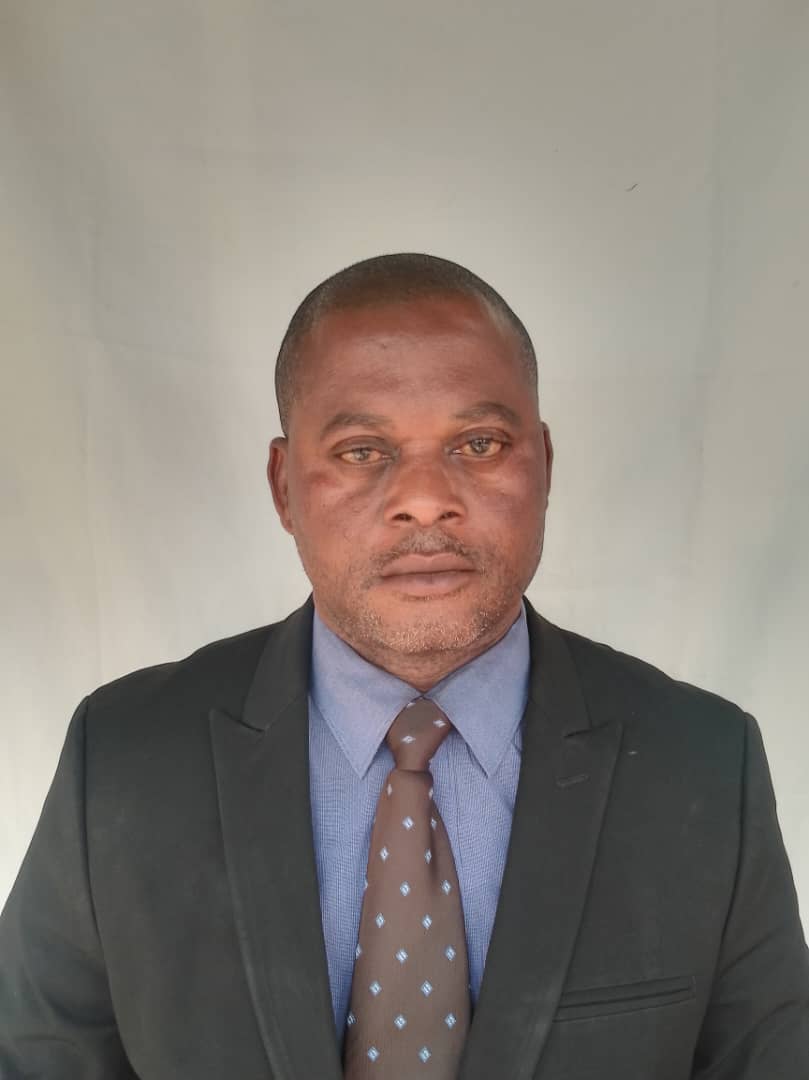
Sam Udekwe is a journalist working in the News and Current Affairs department, Enugu State Broadcasting Service (ESBS) Enugu. He is well trained in all genres of journalistic venture.
Mr Sam read Mass Communication, graduating all with Distinction in National Diploma, Higher National Diploma and Postgraduate Diploma at IMT, Enugu and Madonna University, Okija, Anambra state, as well as M.Sc Mass Communication at National Open University of Nigeria.
He is the immediate past NUJ Chairman, Enugu state.
samowailo@gmail.com