


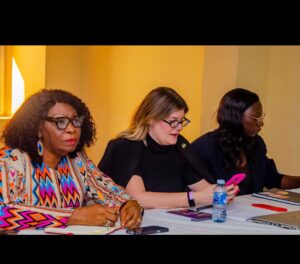
 2027: JHR, WINET, Canada Partner to Amplify Women’s Voices, Push for Greater Political Participation
By Wilfred Chukwuma
As preparations gather momentum for the 2027 general elections, Journalists for Human Rights (JHR) and Women Information Network (WINET), in partnership with Global Affairs Canada, have intensified efforts to promote women’s political participation and amplify their voices in Nigeria’s democratic process.
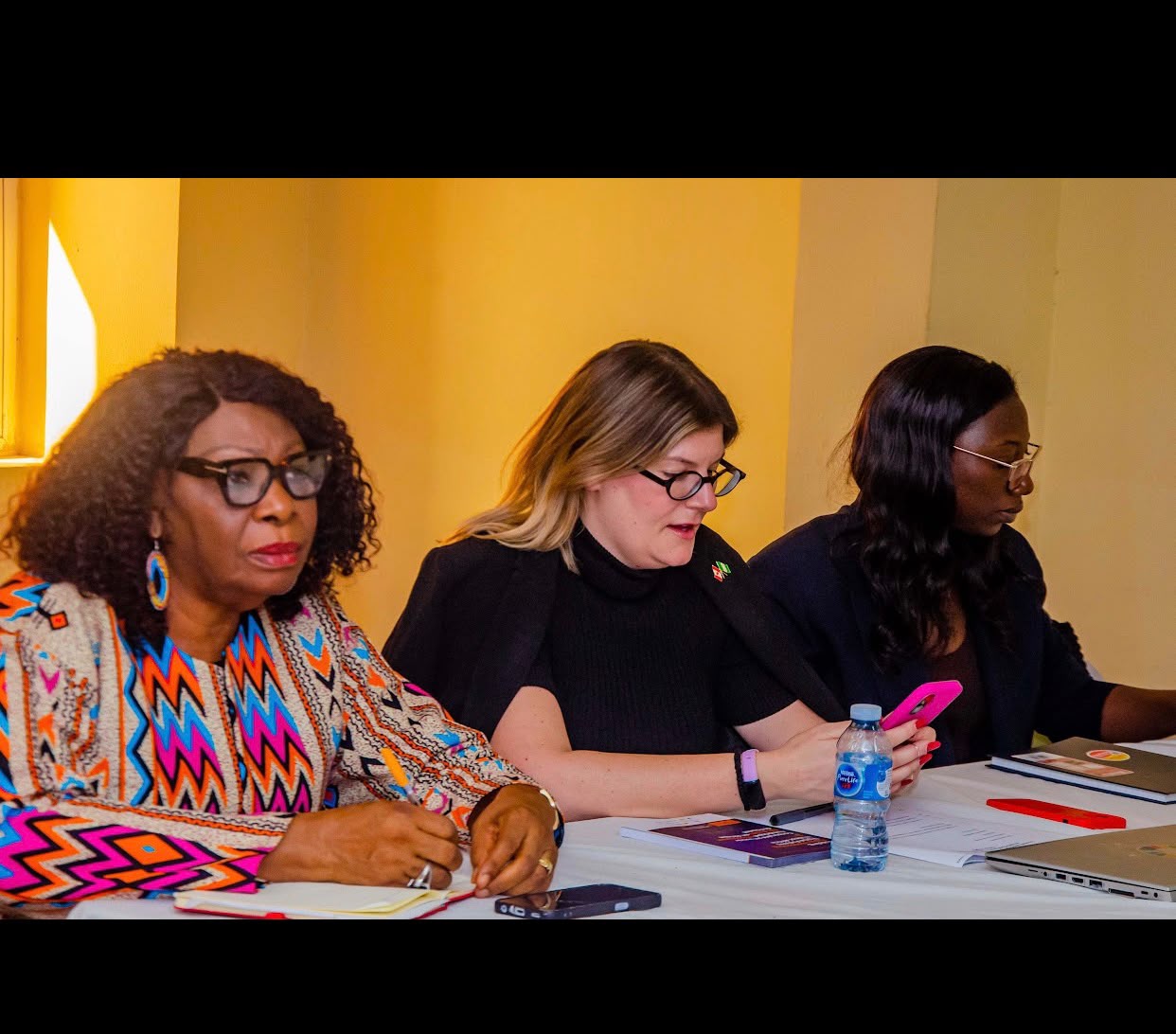
The organisations made the commitment at a Media and Civil Society Roundtable held in Enugu on Wednesday, November 25, 2026, with the theme, “Amplifying Women’s Voices in the Upcoming Nigeria General Elections.”
The engagement brought together media professionals, civil society organisations, women leaders, former political aspirants and other stakeholders to examine the structural, cultural, financial and institutional barriers limiting women’s participation in politics and leadership.
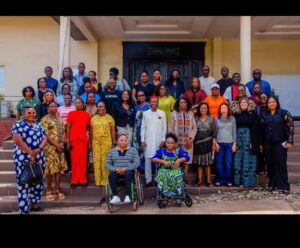
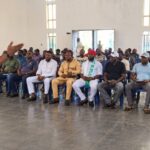
A cross section of participants at the event
Among those present were the First Secretary (Political) at the Canadian High Commission, Maude Olivier; Director of Women Information Network, Miriam Menkiti; and Dr Fidelis Mbah, alongside representatives of media organisations and civil society groups.
Participants stressed that women’s participation in politics remains fundamental to inclusive governance, democratic accountability and sustainable national development, noting that efforts to amplify their voices must go beyond media visibility to guarantee equal opportunities, access to resources, protection against violence and meaningful representation in political decision-making.
Deliberations at the roundtable identified gender-based violence, intimidation, harassment and discrimination as some of the major factors discouraging women from seeking elective positions or actively participating in political processes.
Participants expressed concern that despite the existence of legal frameworks designed to protect women and girls against violence and abuse, including the Child Rights Act, inadequate implementation and enforcement have continued to undermine the effectiveness of such protections.
They also identified deeply entrenched cultural beliefs and gender stereotypes as significant impediments, observing that politics is still perceived in some communities as an exclusive preserve of men.
According to participants, women who venture into politics are sometimes subjected to negative societal perceptions, discrimination and stigmatisation, with their involvement in public affairs occasionally associated with dishonesty, corruption and other questionable practices.
Such prejudices, they noted, discourage many capable women from pursuing political ambitions and contribute to the persistent underrepresentation of women in leadership positions.
Financial constraints and the prevailing culture of political inducement were also highlighted as major challenges. Participants observed that the high cost of political participation, coupled with the electorate’s expectation of monetary and material incentives from candidates, places women at a considerable disadvantage, particularly those without access to substantial financial resources and established political networks.
The meeting further expressed concern over the insufficient solidarity among women during political contests, noting that the absence of collective support and collaboration often weakens their capacity to advance common interests and promote female political aspirants.
It also identified the reluctance of some women to accept invitations for media interviews, public discussions and other engagements as a challenge to efforts aimed at amplifying their voices, urging women to take advantage of available media platforms to articulate their views and contribute to national conversations.
Participants equally examined the difficulties confronting women who are relatively new to politics or lack established political structures and support networks. They observed that such women often struggle to gain acceptance, mobilise supporters and compete effectively, particularly when they belong to opposition parties or lack institutional backing.
The absence of adequate family support, especially from spouses, was another concern raised at the meeting. Participants noted that political participation requires time, mobility, networking and attendance at public engagements, adding that without the understanding and encouragement of family members, women may find it difficult to balance political ambitions with domestic and professional responsibilities.
Recommendations and Way Forward
To address the identified challenges, participants called for sustained public enlightenment on existing laws protecting women and girls against gender-based violence, discrimination and other forms of abuse.
They urged civil society organisations, media practitioners, religious institutions, traditional rulers and community leaders to intensify grassroots sensitisation, particularly on the provisions of relevant legislation and the consequences of violating the rights of women and girls.
They also advocated stronger enforcement mechanisms to ensure that perpetrators of gender-based violence are brought to justice and that women can exercise their political and constitutional rights without fear of intimidation.
Emphasising the importance of male involvement in advancing women’s political participation, the roundtable urged men, particularly husbands, fathers, community leaders and other influential figures, to become active partners in promoting women’s leadership aspirations.
Participants maintained that engaging men was essential to dismantling harmful stereotypes, challenging discriminatory cultural practices and creating an environment where women’s participation in politics would enjoy broader societal acceptance.
They recommended extending advocacy programmes to churches, traditional institutions, community associations and other grassroots platforms to promote positive attitudes towards female leadership.
The meeting also challenged women to demonstrate greater solidarity by building stronger networks, supporting one another’s political aspirations and encouraging more women to participate in the electoral process.
Women were urged to deliberately champion the emergence of female candidates, promote positive narratives about women in leadership and desist from actions or comments capable of discouraging other women from seeking elective offices.
On media engagement, participants called for deliberate efforts to build women’s confidence in public speaking, interviews and other forms of public communication.
They encouraged women to overcome the fear of cameras and embrace opportunities to participate in public discussions, while urging media practitioners to create welcoming and inclusive platforms that would encourage more women to share their experiences, opinions and perspectives.
Media organisations were specifically encouraged to establish dedicated programmes, segments or platforms focusing on women’s issues, particularly their participation in politics, leadership and governance.
Participants observed that even with limited airtime and operational resources, media houses could designate at least one regular programme slot to showcase women’s achievements, interrogate the challenges confronting them and provide opportunities for female voices to shape public discourse.
The roundtable further called on civil society organisations and women’s groups to intensify grassroots mobilisation through sustained engagement with traditional rulers, religious leaders, youth organisations, community associations and other influential stakeholders.
It emphasised the need to build supportive family structures that recognise and encourage women’s right to participate in public life, urging husbands and other family members to support women seeking leadership positions.
Participants also advocated raising children with values of equality, inclusion and mutual respect, stressing that boys and girls should be taught from childhood that they possess equal rights, opportunities and capacities to aspire to leadership positions and contribute meaningfully to society.
In addition, the meeting called for stronger partnerships among media organisations, civil society groups, women’s organisations, religious institutions, traditional authorities and development partners to coordinate advocacy campaigns, information sharing, capacity-building initiatives and sustained public sensitisation.
The roundtable also underscored the need for inclusive electoral arrangements that accommodate persons with disabilities, urging electoral stakeholders to ensure that polling units and voting centres are physically accessible.
It recommended the provision of appropriate facilities, assistive devices and necessary support to enable persons with disabilities to exercise their voting rights independently, safely and with dignity.
The participants consequently called on media organisations, political parties, government institutions, civil society groups, development partners, traditional and religious leaders, families and the general public to demonstrate greater commitment to creating an inclusive political environment.
They stressed that Nigeria’s democratic development would be strengthened when women are empowered to participate, contest elections and occupy leadership positions without discrimination, intimidation, violence or institutional barriers.
The meeting concluded that amplifying women’s voices ahead of the 2027 general elections must translate into concrete action, sustained institutional commitment and a collective determination to ensure that women are not merely spectators in the democratic process but active participants in shaping the country’s political future.
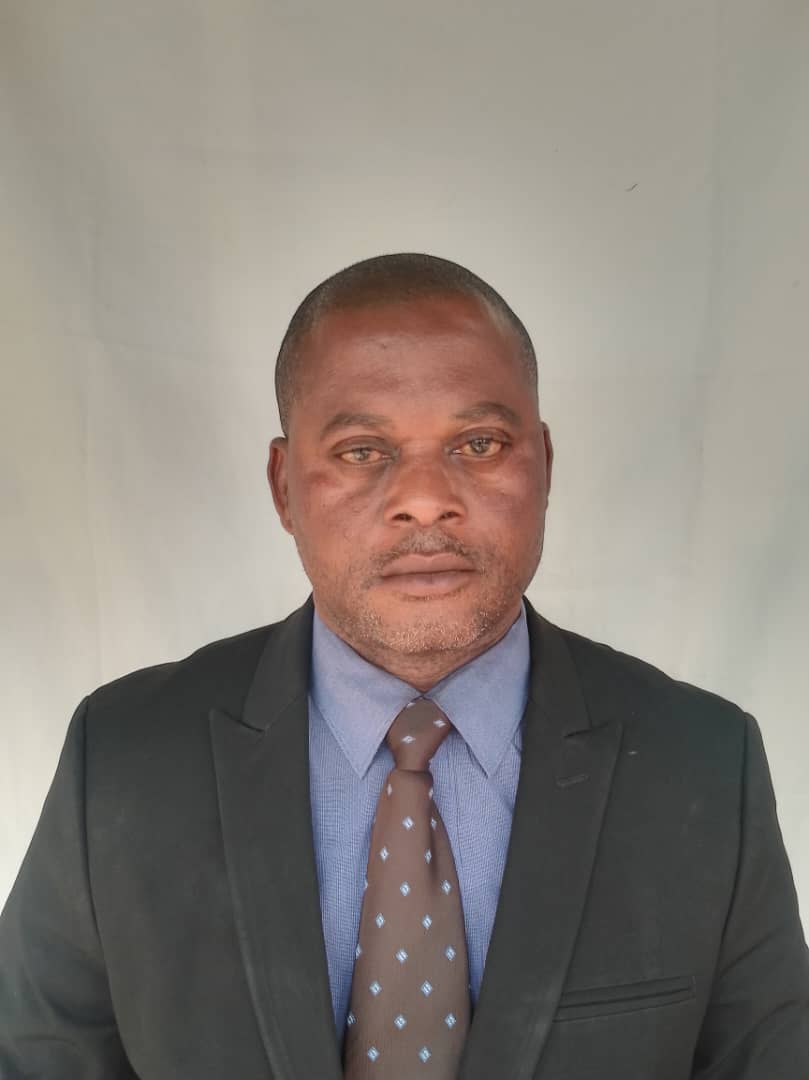
EDITOR
Sam Udekwe is a journalist working in the News and Current Affairs department, Enugu State Broadcasting Service (ESBS) Enugu. He is well trained in all genres of journalistic venture.
Mr Sam read Mass Communication, graduating all with Distinction in National Diploma, Higher National Diploma and Postgraduate Diploma at IMT, Enugu and Madonna University, Okija, Anambra state, as well as M.Sc Mass Communication at National Open University of Nigeria.
He is the immediate past NUJ Chairman, Enugu state.
samowailo@gmail.com