









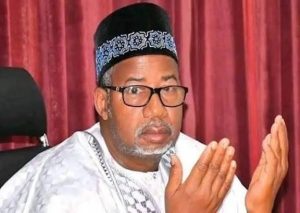
 Bauchi Govt Alleges Political Witch-Hunt as EFCC Drags Officials, Targets Governor
The Bauchi State Government has accused the Economic and Financial Crimes Commission (EFCC) of engaging in a politically motivated witch-hunt, abuse of prosecutorial powers and actions capable of undermining constitutional order, following the arrest, detention and prosecution of senior officials of the state.
In a strongly worded petition dated December 31, 2025, and addressed to the Attorney-General of the Federation and Minister of Justice, the Bauchi State Attorney-General and Commissioner for Justice alleged that the EFCC was weaponising federal law-enforcement machinery to intimidate the state government and unlawfully implicate Governor Bala Mohammed without evidence or jurisdiction.
Marked Secret, the petition called for the immediate intervention of the Attorney-General of the Federation to halt what it described as an “escalating abuse of prosecutorial powers” by the anti-graft agency. It warned that the EFCC’s actions now pose a “clear and present danger” to constitutional governance, democratic stability and public safety in Bauchi State.
According to the state government, the EFCC arrested and detained the Commissioner for Finance and Economic Development, alongside senior civil servants, over actions taken in the lawful discharge of their official duties and backed by valid financial approvals and extant regulations.
Despite what the government described as full cooperation, the officials were allegedly detained beyond constitutionally permissible timelines on matters considered administrative and bailable. The petition revealed that when the case came before the Federal High Court, the presiding judge reportedly expressed displeasure at the EFCC’s conduct, particularly the prolonged detention without formal charges, disregard for bail principles, and repeated failure to produce the defendants in court despite several adjournments.
Rather than submit to judicial scrutiny, the Bauchi government alleged that the EFCC escalated the matter by introducing fresh and far-reaching allegations of terrorism financing and money laundering—charges it said were conspicuously absent at the point of arrest and detention.
“No terrorist organisation has been identified, no terrorist act linked, and no evidentiary trail disclosed,” the petition stated, adding that the timing of the allegations suggested they were introduced as an afterthought “to intimidate, scandalise and destroy reputations rather than to advance justice.”
The petition further accused the EFCC of making reckless and false claims in its charge sheet, including the assertion that the Accountant-General of Bauchi State was ‘at large’. The state government dismissed the claim as a blatant misrepresentation, stressing that the Accountant-General honoured EFCC invitations, was detained and subsequently released on bail after meeting all conditions.
More controversially, the Bauchi government accused the EFCC of deliberately dragging Governor Bala Mohammed into the criminal narrative, despite the governor not being an accused person in the case.
According to the petition, the governor’s name was repeatedly and gratuitously mentioned in the charge sheet—sometimes more prominently than those standing trial—in what the government described as an attempt to try him in the court of public opinion, criminalise political opposition by insinuation, and violate his constitutional immunity.
The government described the terrorism-financing allegation as a “bogus hatchet job” aimed at politically damaging the governor’s image.
Highlighting Mohammed’s public service record, the petition noted that he has served as a career civil servant to the rank of Director, Senator, Minister of the Federal Capital Territory and now Governor of Bauchi State, without any criminal conviction or abuse of constitutional immunity.
“No amount of political persecution will diminish the respect he enjoys,” the Attorney-General stated.
In a grave warning, the Bauchi State Government also raised concerns that the EFCC’s actions—both overt and covert—are increasingly perceived as posing threats to the safety and wellbeing of the governor, his aides and family members, citing the manner of arrests, escalation of allegations and sustained public insinuations.
“This trajectory is dangerous and unacceptable in a constitutional democracy,” the petition warned.
Governor: EFCC Being Used for Political Coercion
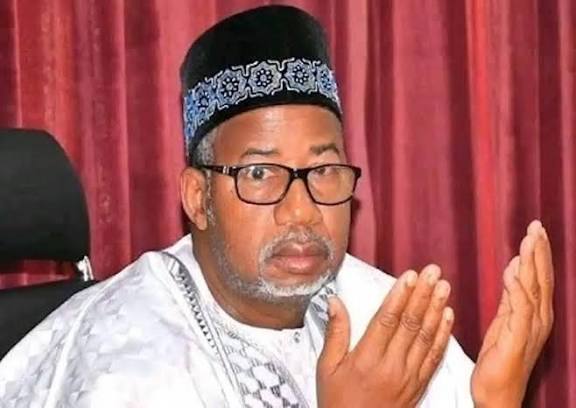
The petition aligns with recent public allegations by Governor Bala Mohammed, who accused the Federal Government of using the EFCC to persecute him and officials of his administration over his refusal to defect to the ruling All Progressives Congress (APC).
The governor made the allegation on Wednesday at the Government House in Bauchi while receiving an Ambassadorial Award for Safety from the Institute of Safety Professionals in Nigeria.
Mohammed, who also chairs the Peoples Democratic Party (PDP) Governors’ Forum, disclosed that one of his commissioners is currently being detained by the EFCC, describing the action as politically motivated and intended to intimidate his government.
“This is not about fighting corruption; it is about political coercion,” the governor said, vowing not to defect under pressure or blackmail.
Call for Federal Intervention
In its petition, the Bauchi State Government demanded immediate federal intervention, including strict supervision of the EFCC, restraint from retaliatory and media-driven prosecutions, assurances that terrorism-related allegations would not be pursued without credible evidence, and measures to prevent actions capable of inflaming political tensions or endangering lives.
The government warned that selective justice and prosecutorial recklessness undermine public confidence, weaken institutions and threaten national cohesion.
“Nigeria must not drift towards a system where opposition is criminalised and dissent punished through intimidation,” the petition concluded.
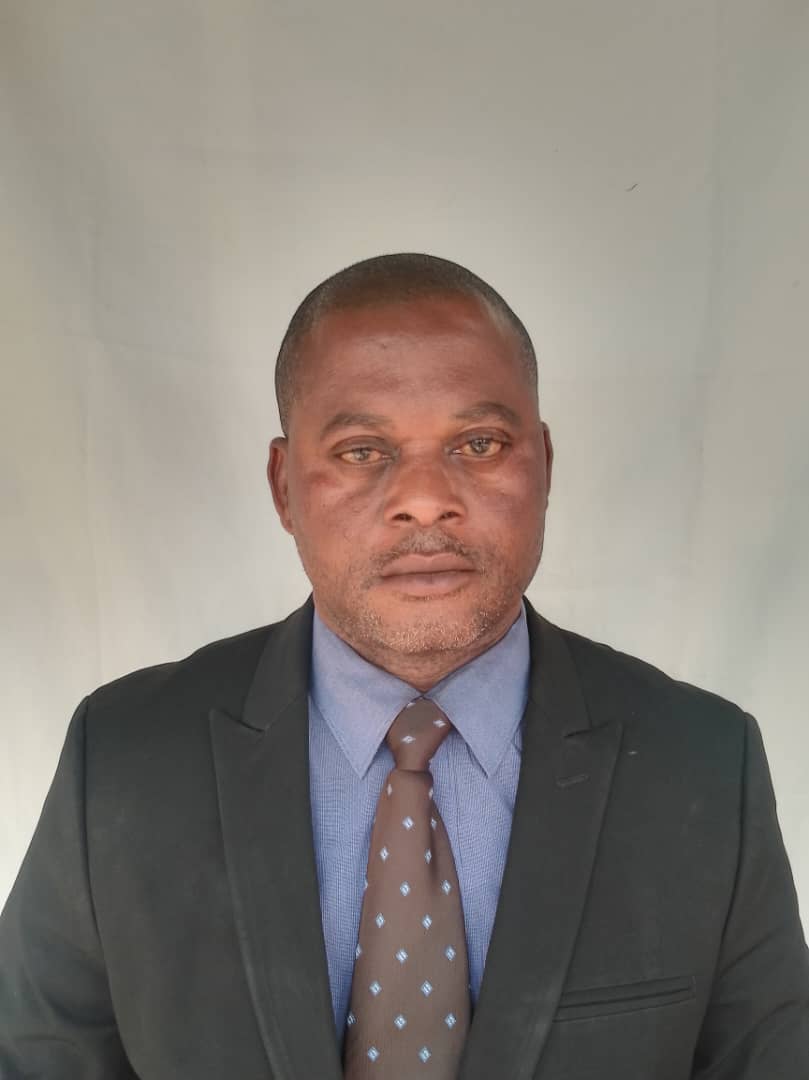
EDITOR
Sam Udekwe is a journalist working in the News and Current Affairs department, Enugu State Broadcasting Service (ESBS) Enugu. He is well trained in all genres of journalistic venture.
Mr Sam read Mass Communication, graduating all with Distinction in National Diploma, Higher National Diploma and Postgraduate Diploma at IMT, Enugu and Madonna University, Okija, Anambra state, as well as M.Sc Mass Communication at National Open University of Nigeria.
He is the immediate past NUJ Chairman, Enugu state.
samowailo@gmail.com