






 Beyond Ambition: The Deeper Lessons from Fubara’s Withdrawal
Editorial
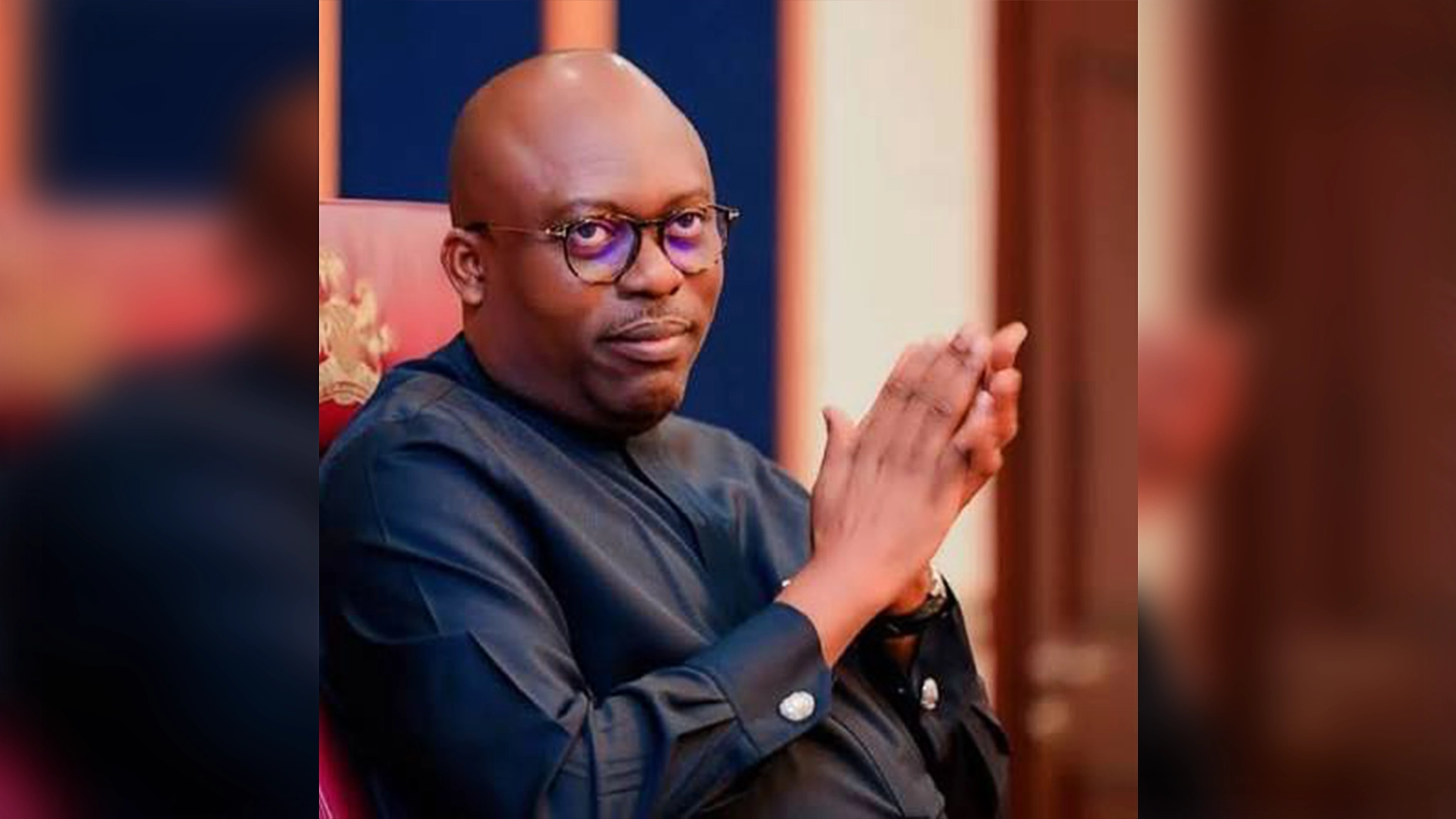
In the often turbulent theatre of Nigerian politics, where power struggles are usually pursued with fierce determination and unyielding ambition, the decision by Siminalayi Fubara to withdraw from the governorship primaries of the All Progressives Congress in Rivers State has emerged as a development laden with profound political lessons, strategic symbolism, and statesmanlike undertones.
At a time when political gladiators across the country are locked in bitter supremacy contests ahead of the 2027 electoral cycle, Fubara’s unexpected withdrawal has introduced a rare narrative into Nigeria’s political lexicon – the narrative of restraint, sacrifice, and calculated surrender for a perceived greater good.
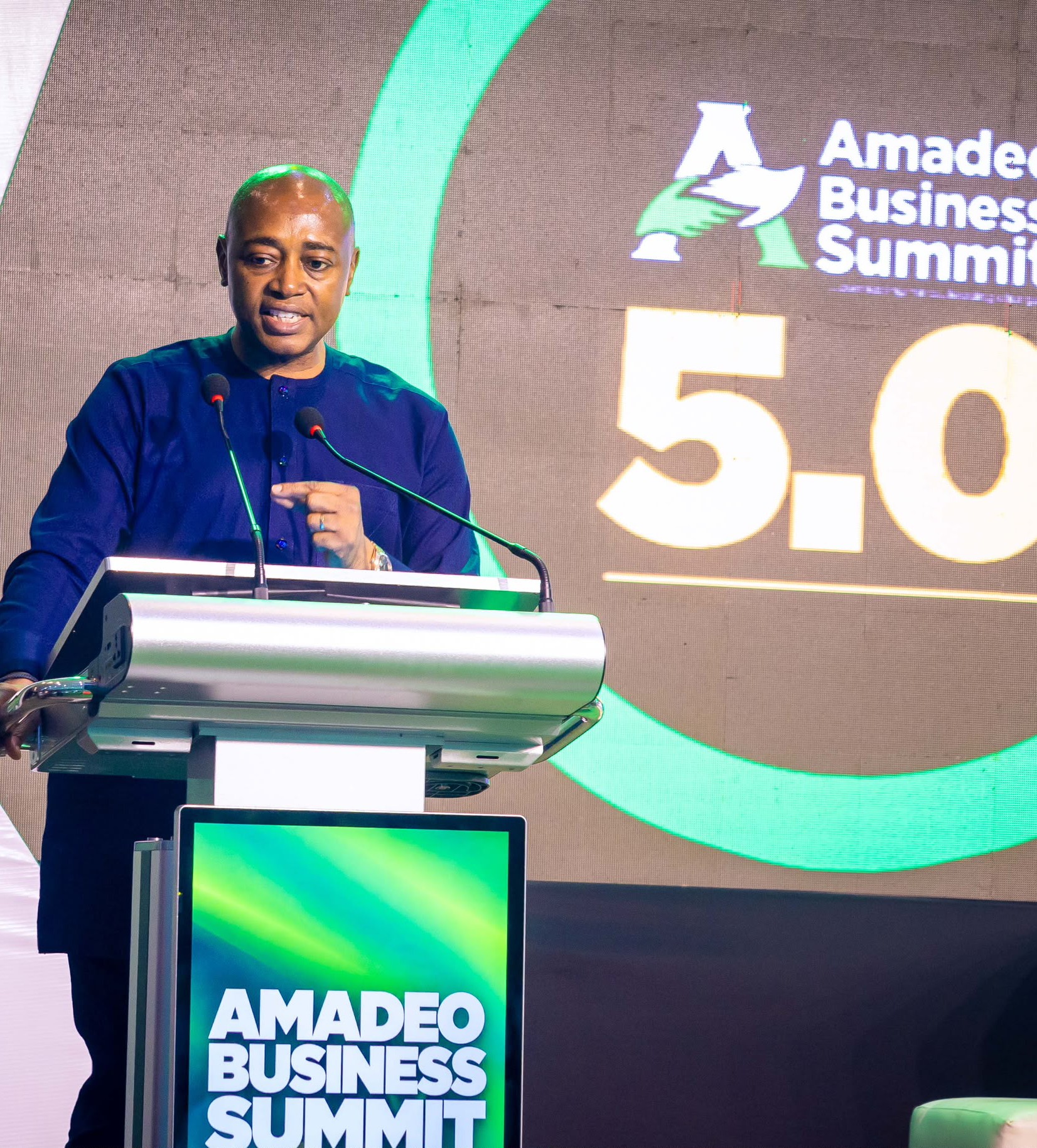
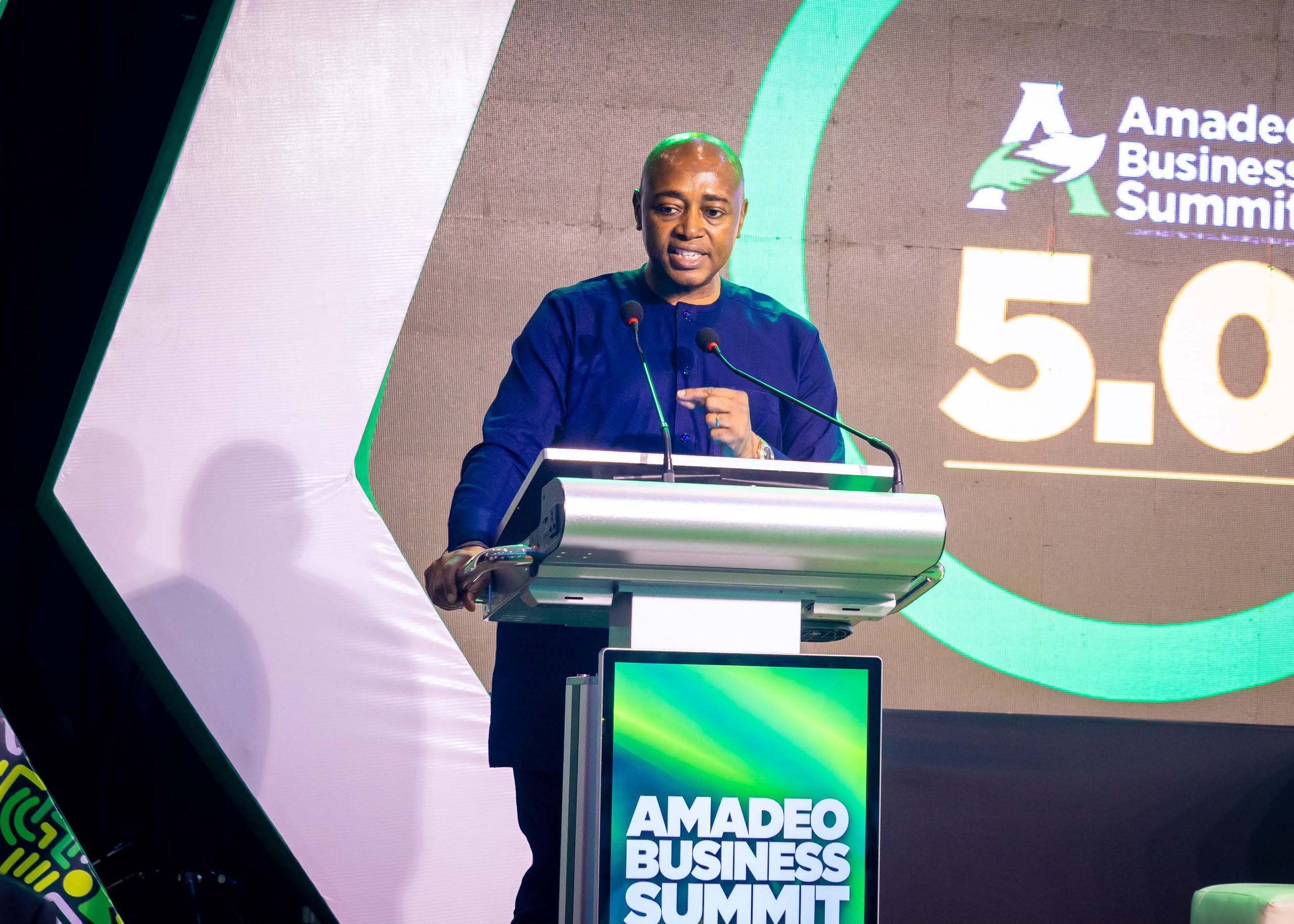
His statement announcing the decision was not merely a withdrawal speech; it was a carefully constructed political message rich in emotion, diplomacy, and layered meaning. Beneath the calm language and measured tone lies the story of a leader navigating enormous political pressures while attempting to preserve stability in one of Nigeria’s most politically combustible states.
For observers of the Rivers political landscape, the development did not come entirely as a surprise. The state has, in recent months, remained a hotbed of political tension, factional alignments, and intense power calculations. The struggle for control of the political structure in Rivers has transcended ordinary partisan competition and evolved into a battle capable of destabilising governance itself.
Against that backdrop, Fubara’s withdrawal may well represent an acknowledgment of political realities and an attempt to de-escalate mounting tensions before they spiral into deeper crisis.
Yet beyond the immediate political implications lies the broader lesson that leadership sometimes demands the suppression of personal ambition in favour of collective peace.
In a political culture where stepping down is frequently interpreted as weakness, defeat, or irrelevance, Fubara sought to redefine the meaning of political sacrifice. His declaration that “Rivers State is bigger than any individual” reflects an understanding often absent in the country’s fiercely personalised political environment.
Indeed, one of the greatest tragedies of Nigerian politics has been the inability of many political actors to separate personal aspiration from public interest. Elections have too often become wars of attrition, leaving governance crippled and citizens trapped in the crossfire of elite rivalries. In that regard, Fubara’s decision projects a contrasting image – one that suggests that political relevance is not always measured by the ferocity with which power is pursued, but sometimes by the wisdom exercised in moments of restraint.
There is also a strategic dimension to the governor’s move.
Politics, especially at the highest level, is rarely about immediate victories alone. It is often about survival, positioning, and long-term relevance. By withdrawing rather than engaging in a potentially bruising internal confrontation, Fubara may have chosen preservation over destruction. He leaves the contest not as a defeated aspirant, but as a figure attempting to occupy the moral high ground while retaining political sympathy and relevance.
His carefully worded reference to “immense pressures and difficult choices” is particularly revealing. Though diplomatically couched, it subtly points to the unseen battles, negotiations, and power dynamics that characterise contemporary Nigerian politics. His proverb that “not everything a hunter sees in the forest is spoken of in the marketplace” further deepens the intrigue surrounding the circumstances of his withdrawal.
Such language is not accidental. It is the language of a politician speaking cautiously from within a tense and delicate political environment.
Another striking lesson from the development is the enduring influence of party supremacy and political structure in Nigerian democracy. Regardless of popularity or incumbency, political survival in Nigeria still largely depends on alignment with entrenched interests, elite consensus, and strategic accommodation. Fubara’s withdrawal demonstrates that individual political strength, no matter how significant, can sometimes be subordinate to broader calculations within the power architecture.
His public appreciation of Bola Ahmed Tinubu and the APC leadership also underscores the importance of maintaining institutional loyalty even in moments of personal disappointment. Rather than burning bridges or launching open rebellion, the governor chose conciliatory rhetoric capable of preserving future political relationships.
This alone reflects a mature appreciation of political continuity.
Furthermore, the emotional tone of his message to supporters reveals another often overlooked dimension of politics – the burden borne by followers whenever political ambitions collapse. Campaigns are not sustained by politicians alone. Thousands invest emotionally, financially, and psychologically in political projects. By openly acknowledging the disappointment of his supporters, Fubara attempted to soften the emotional impact of his decision while reinforcing the notion that their sacrifices were not meaningless.
Perhaps the greatest takeaway from the entire episode is that power is transient, but legacy endures.
History tends to remember not only those who fought fiercely for office, but also those who demonstrated uncommon restraint in moments of political uncertainty. Whether Fubara’s withdrawal ultimately strengthens or weakens his political future remains to be seen. However, the decision has already positioned him within a different conversation – the conversation about political maturity, strategic sacrifice, and the difficult choices leaders sometimes make to avoid deepening instability.
In the end, Governor Fubara’s withdrawal from the Rivers governorship race may not merely be another episode in Nigeria’s endless political drama. It may well stand as a reminder that leadership is not always about holding tightly to power, but sometimes about knowing when stepping aside may better serve peace, stability, and the larger interest of society.
And in a nation where political contests frequently leave bitterness, division, and institutional scars, that lesson may prove more valuable than victory itself

EDITOR
Sam Udekwe is a journalist working in the News and Current Affairs department, Enugu State Broadcasting Service (ESBS) Enugu. He is well trained in all genres of journalistic venture.
Mr Sam read Mass Communication, graduating all with Distinction in National Diploma, Higher National Diploma and Postgraduate Diploma at IMT, Enugu and Madonna University, Okija, Anambra state, as well as M.Sc Mass Communication at National Open University of Nigeria.
He is the immediate past NUJ Chairman, Enugu state.
samowailo@gmail.com