




Unheard Cries of a Nation: The Plight of Ordinary Nigerians .
.
Maxwell M. Ngene
In the midst of political turmoil, economic hardship, and social injustice, the voices of ordinary Nigerians are often drowned out by the cacophony of power struggles and corruption. Yet, their stories are a testament to the resilience and strength of a nation worn down by the weight of its own potential.
In the Southeast, the city of Enugu bears witness to a tale of unbearable loss. Mr. Obinna Chukwuka’s world was shattered when his wife, Roseline Chukwuka, was brutally killed in a crossfire between the police and alleged armed robbers on Presidential road by Mkpokiti road. The pain of her untimely death is compounded by the fact that he is yet to bury her and is struggling to care for their five young children, who have been left without their breadwinner.
Obinna’s voice cracks as he recounts the incident, “I’m overwhelmed with grief and uncertainty. My wife was everything to our family, and now she’s gone. I don’t know how I’ll manage to raise our children alone.” His eyes swell up with tears as he pleads, “I need help, I need support, I need someone to hear my cry.”
Obinna’s story is a heart-wrenching reminder of the countless ordinary Nigerians who suffer due to circumstances beyond their control. Their cries for help often go unheard, their plight ignored, and their futures uncertain.
Meet Mrs. Adebambo, a widow who toils daily in the bustling markets of Lagos, struggling to make ends meet. Her husband, a victim of police brutality, left behind a legacy of unpaid bills and shattered dreams. Her tale is one of sorrow, of a system that failed her and her family.
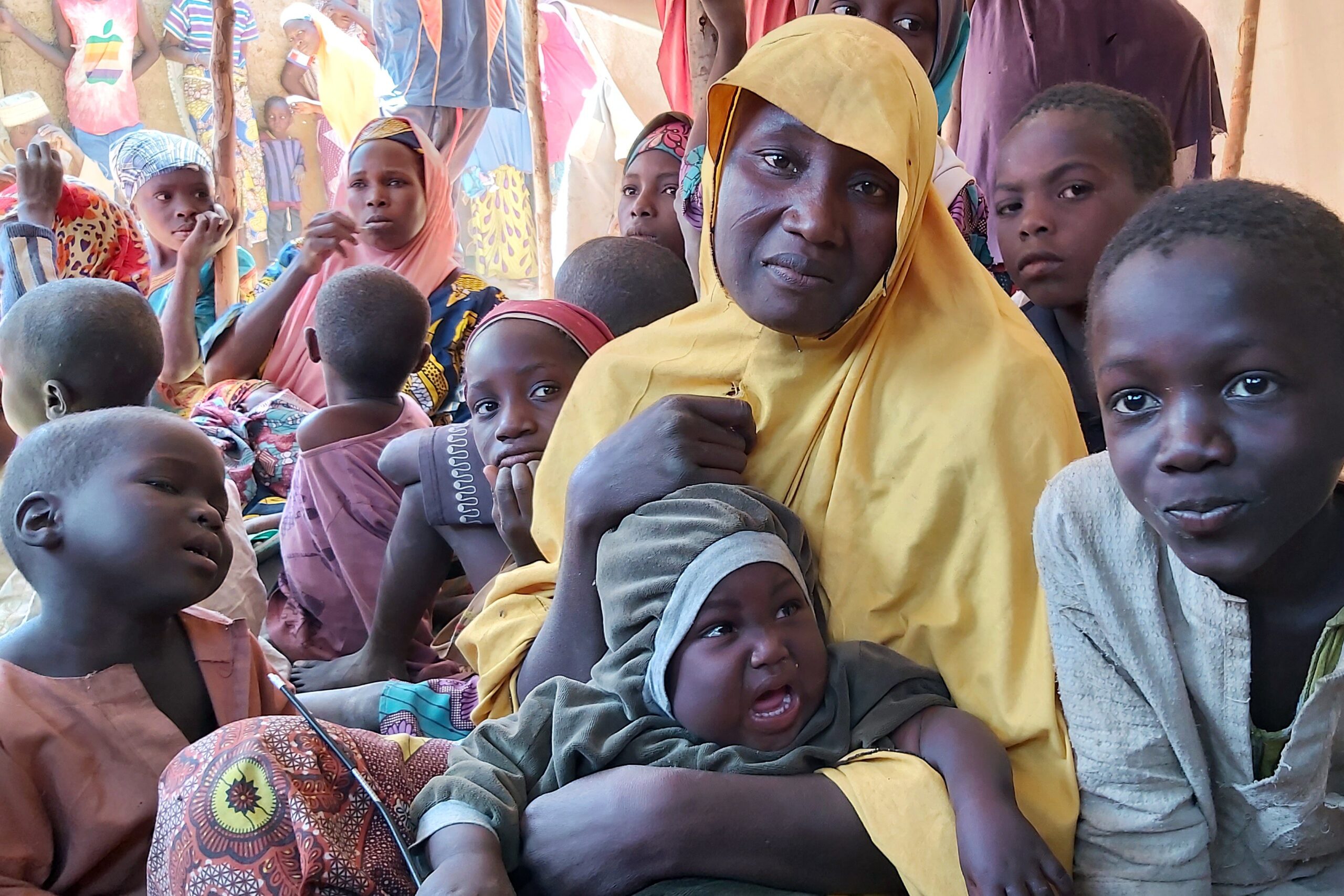
In the northern regions, the echoes of Boko Haram’s terror still linger, leaving behind a trail of orphans and widows. Aisha, a young girl forced to watch her family perish in a raid, now lives the life of a refugee in one of the Internally Displaced Persons (IDP) camps, her future very uncertain.
In the Niger Delta, the once-thriving communities now suffer the consequences of environmental degradation and neglect. The fishermen who once provided for their families now struggle to find fish in the polluted waters.
These stories are not mere anecdotes but a reflection of a nation’s failure to protect its own. The plight of ordinary Nigerians is a symphony of woes, a chorus of unheard cries that echo through the streets, markets, and homes.
As the political elite engage in a game of power and deceit, the people suffer. The economy stagnates, education and healthcare deteriorate, and the future looks bleaker by the day.
Yet, amidst the chaos, there is hope. In the resilience of the human spirit, in the determination of a people who refuse to give up, there is a glimmer of light.
For in the face of adversity, ordinary Nigerians have learned to adapt, to survive, and to thrive. They have formed communities, supported each other, and found ways to make ends meet.
Their stories are a testament to the strength of a nation, a reminder that even in the darkest of times, there is always hope. And it is time for their voices to be heard, for their stories to be told, and for their plight to be acknowledged.
For Nigeria’s true wealth lies not in its natural resources or political power but in the resilience and determination of its people. And it is time for their voices to be heard, loud and clear.
EDITOR
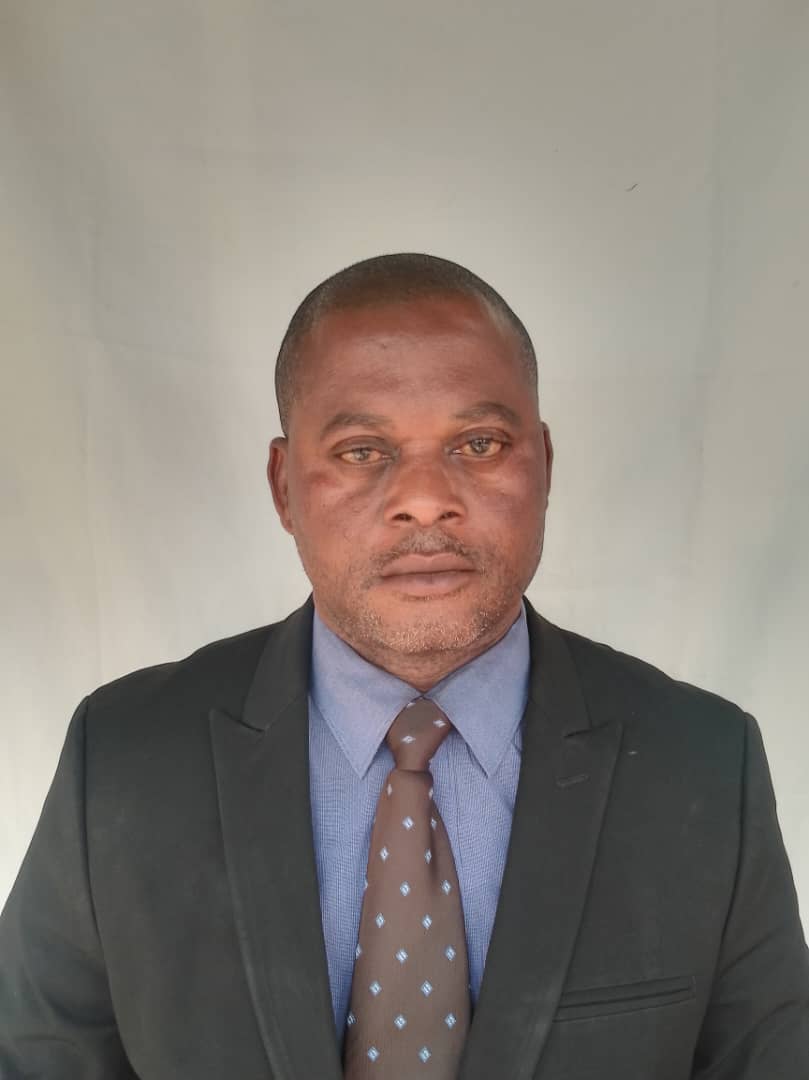
Sam Udekwe is a journalist working in the News and Current Affairs department, Enugu State Broadcasting Service (ESBS) Enugu. He is well trained in all genres of journalistic venture.
Mr Sam read Mass Communication, graduating all with Distinction in National Diploma, Higher National Diploma and Postgraduate Diploma at IMT, Enugu and Madonna University, Okija, Anambra state, as well as M.Sc Mass Communication at National Open University of Nigeria.
He is the immediate past NUJ Chairman, Enugu state.
samowailo@gmail.com