




NAF Crew Freed as Emergency Landing in Burkina Faso Sparks Diplomatic Row
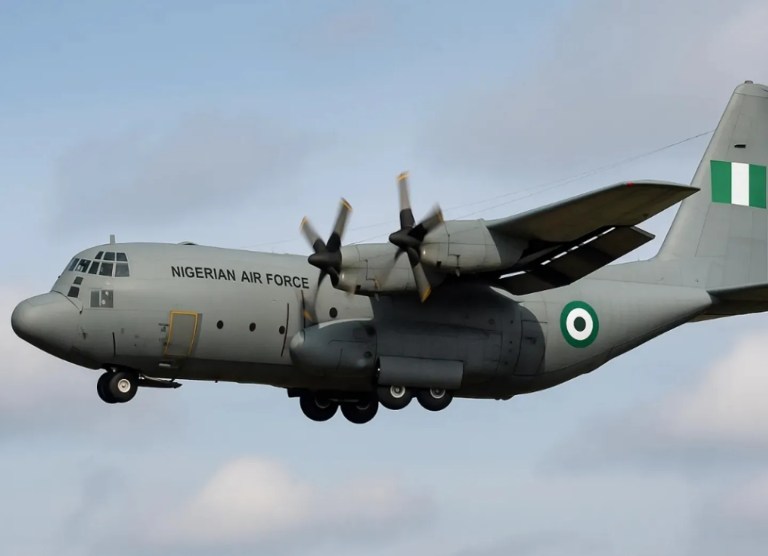
In a moment of potential crisis, 11 Nigerian Air Force (NAF) personnel have been released and cleared for immediate return home after being briefly detained in Bobo-Dioulasso, southwestern Burkina Faso. Their detention followed the emergency landing of a NAF C-130 transport aircraft, an incident that quickly escalated into a diplomatic flashpoint amid high regional tensions.
The Incident: A Technical Fault Becomes a Sovereignty Breach
The event unfolded on Monday when the NAF C-130, en route to Portugal for a routine ferry mission, was forced to execute a precautionary/emergency landing at Bobo-Dioulasso. According to NAF statements, the crew observed a technical issue shortly after departing from Lagos, necessitating the unscheduled stop.
However, the landing was met with immediate alarm by the Alliance of Sahel States (AES)—a military bloc comprising Burkina Faso, Mali, and Niger. The AES, formed after the withdrawal of its members from ECOWAS, swiftly condemned the action as an “unauthorised” entry into Burkinabe airspace. Labelling it an “unfriendly act,” the bloc promptly placed its air and anti-air defences on maximum alert, viewing the unscheduled entry of a foreign military aircraft as a serious breach of national sovereignty.
Following the landing, the 11 Nigerian servicemen were detained, and the aircraft was reportedly seized pending a review of the circumstances.
Despite the initial strong and aggressive reaction from the AES, a resolution was reached relatively quickly. Burkinabe authorities confirmed the release of the 11 officers, stating they were allowed to return to Nigeria after preliminary checks and questioning.
In Abuja, the Nigerian Air Force issued a clarifying statement, affirming the purely precautionary nature of the landing due to a technical fault. The NAF emphasised the safety of its personnel and noted that they had been treated with courtesy by the host authorities, with efforts now underway to resume the flight to Portugal.
The swift release of the personnel suggests a mutual desire for de-escalation, successfully averting a full-blown diplomatic or military standoff that many feared.
Yet, the episode dramatically underscores the fragility of trust between Nigeria and the AES member states. The incident is a stark reminder that even a routine military flight, when technical necessity forces an unscheduled entry, can trigger a serious diplomatic crisis when regional airspaces are viewed through the lens of heightened security-alliance lines.
The AES’s intense reaction is inextricably linked to the current geopolitical landscape. Having withdrawn from ECOWAS and deepening their internal military cooperation, the military regimes of the Sahel view any unscheduled activity by Nigeria—a major ECOWAS power with extreme suspicion.
For Nigeria, the safe return of the NAF personnel is a momentary relief. However, the crisis may prompt a stricter review of flight planning and clearance protocols for military operations, particularly in a region where diplomatic and security alignments are increasingly fragmented.
Going forward, the incident necessitates that Abuja ensures stricter adherence to international flight clearances and engages in more proactive diplomacy with the Sahel military regimes. This is crucial to prevent similar incidents from escalating and to rebuild a working relationship founded on clear communication and respect for airspace sovereignty. The fragility of this regional trust means that routine military movements must be managed with extreme political sensitivity to avoid triggering unnecessary confrontations.
EDITOR
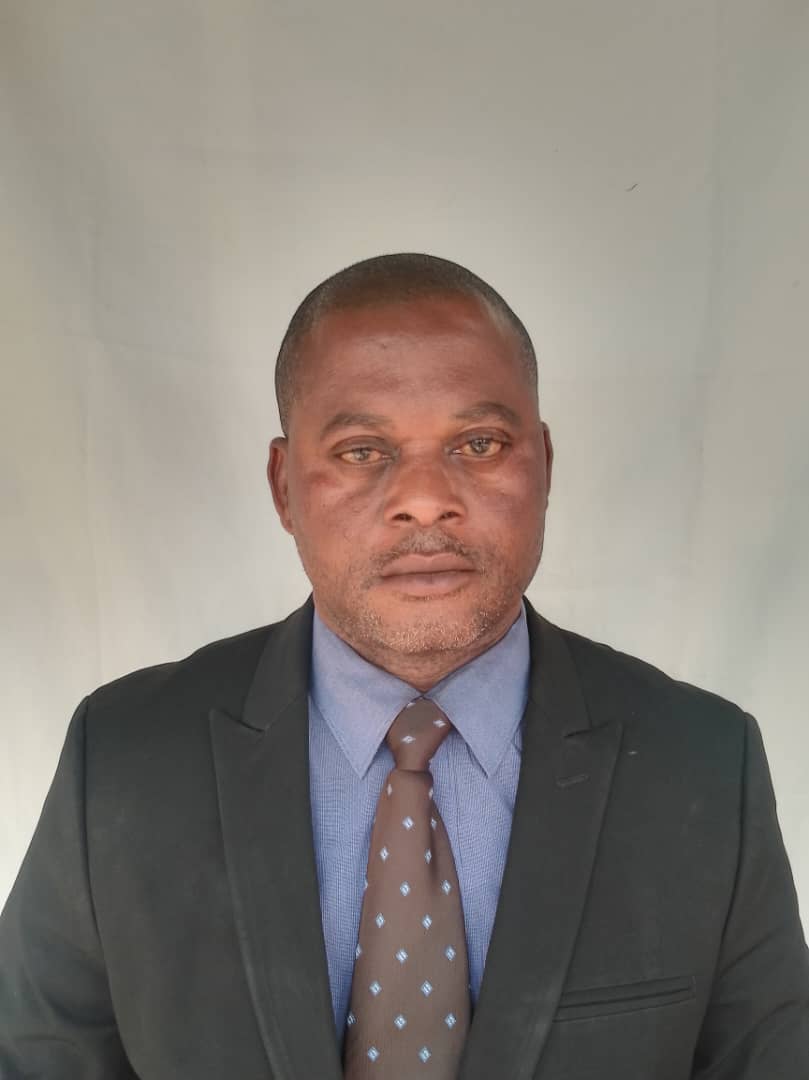
Sam Udekwe is a journalist working in the News and Current Affairs department, Enugu State Broadcasting Service (ESBS) Enugu. He is well trained in all genres of journalistic venture.
Mr Sam read Mass Communication, graduating all with Distinction in National Diploma, Higher National Diploma and Postgraduate Diploma at IMT, Enugu and Madonna University, Okija, Anambra state, as well as M.Sc Mass Communication at National Open University of Nigeria.
He is the immediate past NUJ Chairman, Enugu state.
samowailo@gmail.com