








 AGILE Commends Mbah, Enugu Government for Supporting Girl-Child Education,Promises Focus on School Infrastructure
By Wilfred Chukwuma
The Adolescent Girls Initiative for Learning and Empowerment (AGILE) has commended Governor Peter Mbah and the Enugu State Government for their support for the education sector, reaffirming its commitment to improving learning conditions for adolescent girls through the renovation of public secondary schools, provision of teaching and learning materials, and improvement of sanitation facilities.
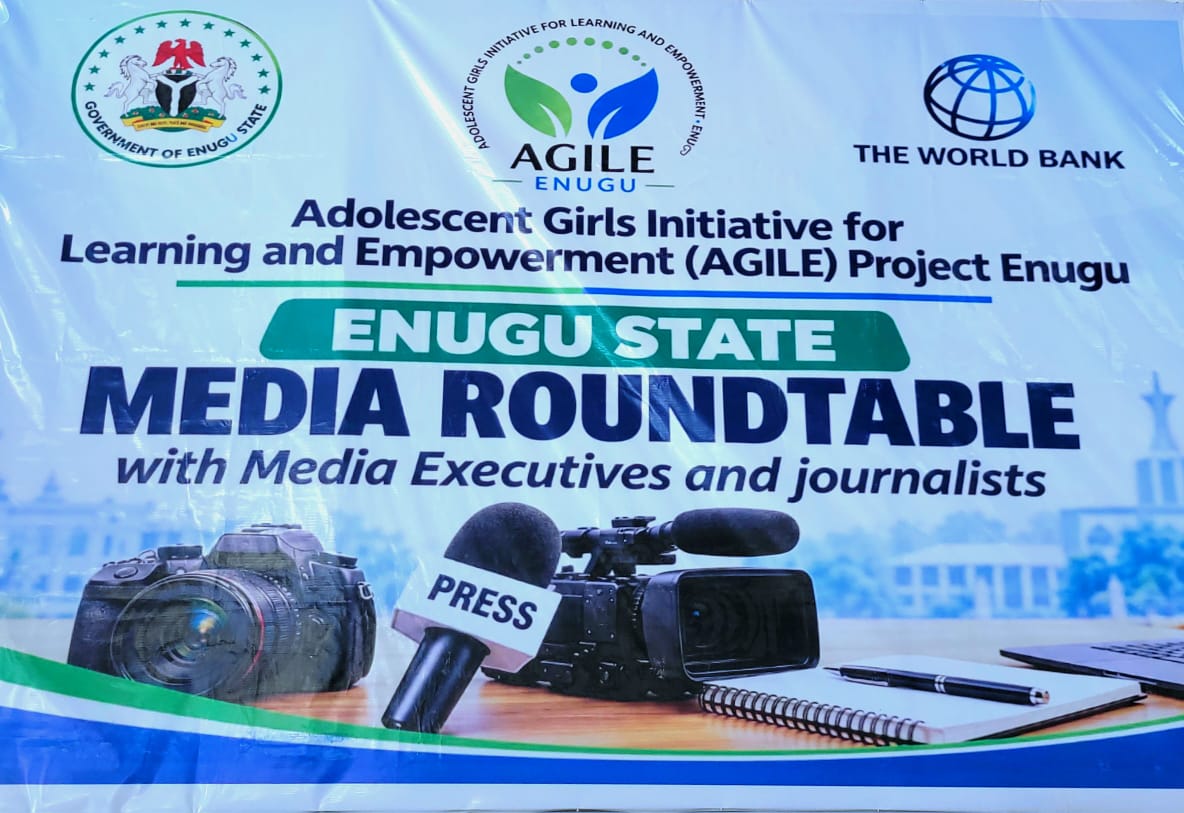
The Project Coordinator of AGILE, Dr Ebere Georgina Chukwu-Onuoha, gave the commendation during a media roundtable at the International Conference Centre (ICC), Enugu, on Wednesday, October 14, where she highlighted the initiative’s interventions and solicited stronger media collaboration to advance girls’ education across the state.
Chukwu-Onuoha explained that AGILE, a World Bank-backed initiative, was currently implementing Component 1.2, which focuses on renovating public secondary schools, providing essential teaching and learning materials, and improving sanitation facilities to create a safer and more conducive learning environment.
“Currently, what we are intervening in this batch is Component 1.2, which deals with renovation of public secondary schools, providing teaching and learning materials, and washing facilities,” she said.
She observed that inadequate toilet facilities in many public secondary schools posed challenges to students’ welfare, particularly adolescent girls who required appropriate facilities to manage their menstrual hygiene.
“You know, most times when you come to secondary schools, they don’t have conducive toilets. So, through AGILE projects, we are providing standard toilets, so that the girl-child will have a conducive environment where she can take care of herself when she is menstruating,” she added.
The coordinator stressed that improving school infrastructure and providing essential facilities were critical to promoting regular attendance, enhancing students’ comfort and ensuring that adolescent girls could participate fully in academic activities.
She commended Governor Mbah for the attention his administration had given to education and for supporting the implementation of AGILE in Enugu State, noting that government commitment was essential to achieving the programme’s objectives.
Chukwu-Onuoha further disclosed that the initiative had conducted a school validation exercise across the state to assess the condition of public secondary schools and obtain reliable information on their infrastructural and educational needs.
She explained that the exercise would help ensure that interventions were properly targeted at the actual challenges confronting schools, thereby improving the effectiveness of project implementation.
While emphasising the importance of public awareness, she called on media organisations to partner with AGILE in disseminating information about its activities and educating communities on the importance of supporting adolescent girls’ education.
She noted that effective media engagement would help broaden public understanding of the initiative, encourage stakeholder participation and strengthen community support for its interventions.
Also speaking, Engr. Alex Ugwunnadi described conducive learning conditions and the empowerment of adolescent girls as the central objectives of AGILE, stressing that the quality of the school environment significantly influenced students’ learning experiences and academic performance.
“The keywords of this initiative are conducive learning and empowerment for the adolescent girls’ child,” he said.
Ugwunnadi observed that many schools were confronted with deteriorating infrastructure and inadequate facilities, which could negatively affect teaching and learning.
“If you look around us, most of the schools are in bad states, and they have a lot of negative impacts on them. But the essence of AGILE is to make them very safe and conducive for the adolescent girls’ child,” he stated.
He explained that the programme’s current focus on Component 1.2 extended beyond infrastructure rehabilitation to include the provision of teaching and learning materials necessary for effective education.
“It does not end with infrastructure, but also provision of teaching and learning materials that are necessary for the students to have good education. So, that is the essence of AGILE in that regard,” he said.
He urged community leaders, parents, education stakeholders and other relevant groups to support the initiative, stressing that collective participation was necessary to achieve sustainable improvements in girls’ education.
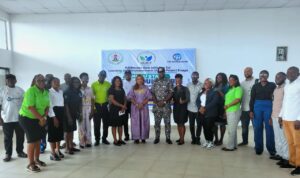
AGILE Organisers and Participants Pose
Responding to questions from journalists on the ownership of the initiative, the project representatives clarified that AGILE was a state-owned project supported by the World Bank, aimed at strengthening educational opportunities and improving learning conditions for adolescent girls.
On media partnership, they emphasised that journalists had a vital role to play in publicising the initiative’s interventions, promoting awareness and encouraging communities to participate in efforts to improve school facilities.
They maintained that sustained collaboration among the Enugu State Government, AGILE, the media, school authorities and community stakeholders would be crucial to ensuring that adolescent girls had access to safer, more inclusive and supportive learning environments.
EDITOR
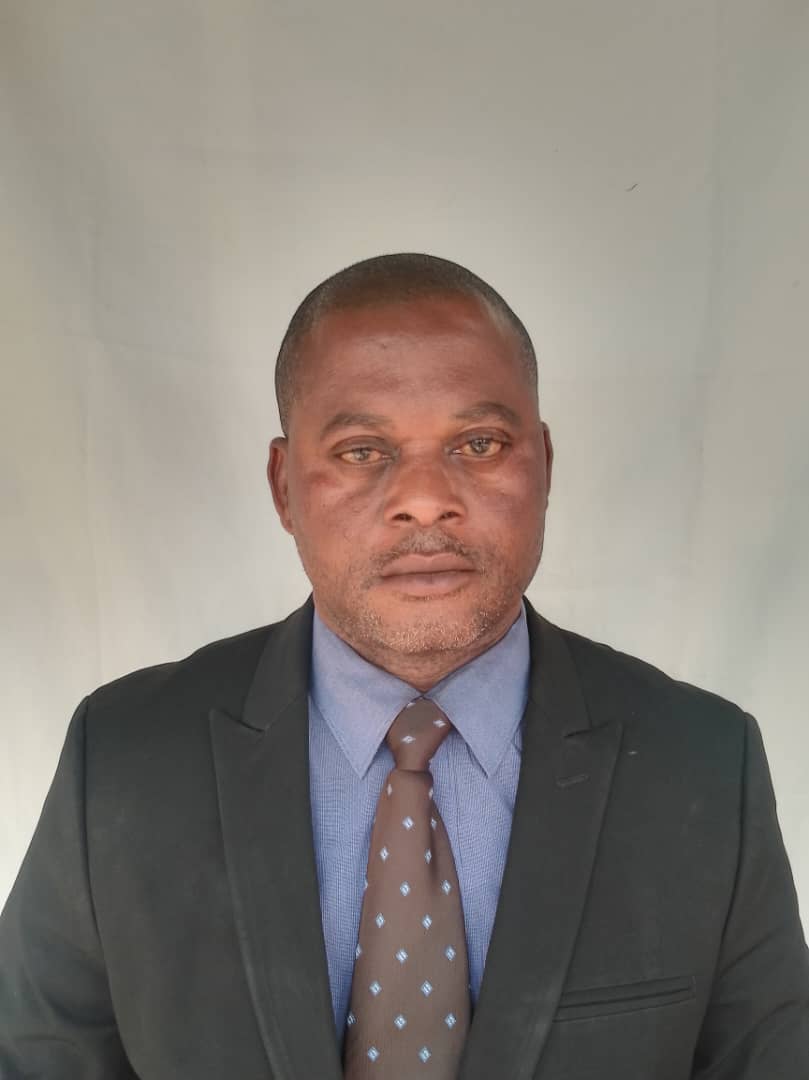
Sam Udekwe is a journalist working in the News and Current Affairs department, Enugu State Broadcasting Service (ESBS) Enugu. He is well trained in all genres of journalistic venture.
Mr Sam read Mass Communication, graduating all with Distinction in National Diploma, Higher National Diploma and Postgraduate Diploma at IMT, Enugu and Madonna University, Okija, Anambra state, as well as M.Sc Mass Communication at National Open University of Nigeria.
He is the immediate past NUJ Chairman, Enugu state.
samowailo@gmail.com