








 2027: Enugu State, Southeast and the Consequences of Vote-Splitting
By Samson Ezea
In politics, emotions may inspire decisions, sentiments may shape opinions, and personal convictions may influence choices, but political power is ultimately determined by numbers, alliances, strategy and the ability to translate electoral support into tangible political benefits.
As Nigeria gradually approaches the 2027 general elections, the Southeast, particularly Enugu State, must carefully examine the emerging political realities and make decisions that will safeguard its long-term political interests, economic prospects and strategic relevance in the national political equation.
Recently, I published the first part of this article, in which I examined politically, factually and realistically why Enugu State and the Southeast region should avoid vote-splitting in the 2027 general elections, considering its potential long-term political and economic consequences.
I made it clear that not everyone would agree with my postulations and analysis, as expected. However, I remain convinced that unfolding political events and permutations will vindicate me and validate my position.
Recently, the ruling All Progressives Congress (APC) inaugurated what was presented as an all-encompassing, collaborative, unprecedented and rainbow coalition presidential campaign council in Abuja and announced dates for electioneering campaigns across the country.
One unique feature of this development is the inclusion of powerful individuals associated with opposition parties, including the All Progressives Grand Alliance (APGA), the Accord Party and the Peoples Democratic Party (PDP), in the APC’s presidential campaign structure.
This development underscores the growing significance of political alliances, cross-party relationships and strategic calculations ahead of the 2027 general elections.
The inclusion of political figures associated with these parties, such as the Minister of the Federal Capital Territory, Abuja, Barr. Nyesom Wike; Anambra State Governor and APGA leader, Prof. Chukwuma Soludo; and Osun State Governor, Ademola Adeleke, in the APC presidential campaign council, as well as their participation in its inauguration, illustrates the fluidity of political relationships and the complexities of the emerging electoral landscape.
Similarly, the political disposition and public declarations of Abia State Governor, Alex Otti, a prominent Labour Party figure, have continued to generate discussions about the possible alignments and calculations that may shape the 2027 presidential election.
While these developments must be carefully interpreted, they point to the importance of political alliances, mobilisation and strategic positioning in determining the outcome of the forthcoming elections.
Although the APC faces opposition from other political parties, it is leaving no stone unturned in its mobilisation efforts and strategic preparations for the 2027 general elections.
Its incumbency advantage, political structure, elected officials and growing alliances could give it considerable leverage in the contest.
With 33 state governors, 33 deputy governors, 98 senators and a majority of other elected and appointed officials within its political fold and allied structures, the APC possesses considerable institutional and political advantages that the opposition parties may find difficult to overcome.
The challenges confronting the opposition parties, including disagreements, organisational difficulties and questions surrounding their preparedness for the elections, could further complicate their chances.
The inability of some major opposition parties to establish strong structures and field candidates across all elective positions, where applicable, may also affect their overall electoral performance.
Furthermore, the absence of incumbent governors in all the major opposition parties could limit their capacity to mobilise political structures and resources across their respective states.
These developments provide important pointers to the political calculations surrounding the 2027 general elections, particularly the presidential and National Assembly contests. Nevertheless, the final outcome will depend on several factors, including voter turnout, campaign strategies, party unity, candidate appeal and the credibility of the electoral process.
Against this backdrop, there is an urgent need for states and geopolitical zones to position themselves strategically by mobilising substantial electoral support for the presidential candidates who are likely to win the election.
Achieving this objective could strengthen their bargaining power and improve their prospects of securing recognition, influence, appointments, projects and other political benefits during the formation of the next government.
In practical terms, politics often rewards those who demonstrate electoral strength and contribute meaningfully to a party’s success. Although this approach may not always reflect the ideal principles of democratic representation, it remains a significant feature of Nigeria’s political environment, where electoral performance is frequently assessed in terms of the number of votes delivered to a party or candidate.
It is against this background that the Southeast, like every other geopolitical zone, must carefully consider its position ahead of the 2027 presidential election. The region must apply its political sagacity to understand the emerging realities and translate that understanding into practical decisions capable of advancing its collective interests.
This objective cannot be achieved through emotions and sentiments alone, particularly the sentiments being expressed by some individuals in the region who believe they should vote for their son, Mr. Peter Obi, the presidential candidate of the National Democratic Congress (NDC), in the presidential election while voting for candidates of other political parties in the National Assembly, governorship and other elections.
While the desire to support a son of the region is understandable, the critical question is whether such a decision, under the prevailing political circumstances, would advance or undermine the Southeast’s long-term interests in the political and leadership affairs of the country.
The lesson of the 2023 presidential election should not be lost on the region. The Southeast’s strong support for Peter Obi, while politically significant, did not translate into the emergence of a president from the region or necessarily deliver the anticipated level of political influence at the centre.
The experience should encourage sober reflection rather than a repetition of political decisions without a careful assessment of their likely consequences.
If the Southeast once again distributes its votes among different political parties in 2027 without adequately considering the prevailing political realities, the region could find itself in a weaker bargaining position, particularly if the APC retains power and the region’s electoral contribution to its victory remains limited.
This is not to suggest that electoral support for a political party automatically guarantees appointments, projects or political rewards. Rather, it is an argument that demonstrable electoral strength and constructive political engagement can improve a region’s capacity to negotiate for its interests within the national political framework.
At this point, the most important consideration is a realistic assessment of the political circumstances that could favour the Southeast in the 2027 presidential election.
If the emerging political landscape suggests that the APC has a strong chance of retaining the presidency, the Southeast must carefully weigh the potential benefits and consequences of its electoral choices. The region must consider whether maintaining its existing political divisions would serve its long-term interests or whether a more coordinated strategy would improve its prospects of securing greater political relevance and influence.
The objective should not merely be to follow the prevailing political tide, but to make informed decisions that protect the region’s future.
For Enugu State, the issues are even more compelling.
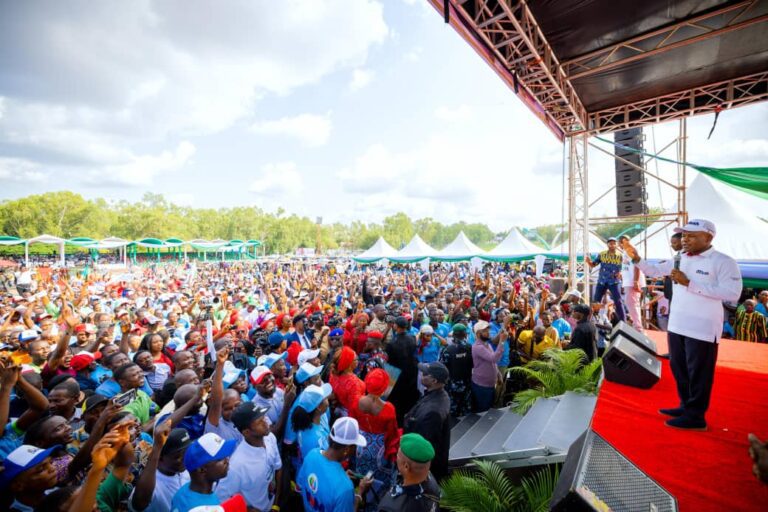
Governor Peter Ndubuisi Mbah’s performance in office, his administration’s landmark achievements and his emergence as the Southeast zonal director of the APC presidential campaign place him in a strategic position within the party’s campaign structure.
These circumstances make it imperative for those who share his political vision and support his administration to consider the importance of effective mobilisation and coordinated engagement ahead of the 2027 general elections.
Governor Mbah deserves the support and commitment of all who believe in his leadership and political direction to help mobilise votes for the APC in the presidential election.
Such support, if translated into substantial electoral gains, could strengthen Enugu State’s political standing within the party and improve its prospects of securing greater collaboration with the Federal Government after the elections.
There is no gainsaying the importance of a constructive relationship between state and federal authorities in a federal system. Such cooperation can facilitate discussions on infrastructure, economic development, security, employment, investment and other issues that directly affect the welfare of the people.
Given Governor Mbah’s political position and his role in the APC presidential campaign, Enugu State has an opportunity to demonstrate its capacity for effective mobilisation and strategic political engagement.
The state must, therefore, approach the 2027 elections with a clear understanding of the stakes involved, ensuring that its political decisions reflect both immediate considerations and long-term developmental objectives.
Enugu State occupies a unique place in Igbo political history. As the former capital of the old Eastern Region and a major political and administrative centre of the Southeast, the state remains an important symbol of Igbo identity, heritage and collective aspirations.
For these reasons, Enugu State is too important to be marginalised in the political calculations and power dynamics that will shape the next administration at the centre.
Its political leadership and electorate must recognise the importance of combining regional aspirations with practical political strategy to secure the best possible outcomes for the state and the wider Southeast.
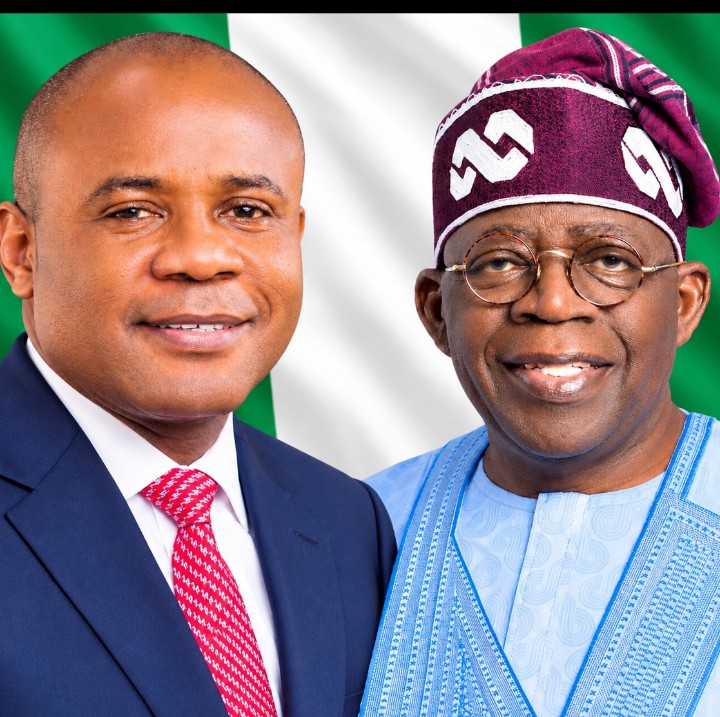
Some may argue that the republican disposition of the Igbo people makes it difficult for them to follow the political direction of their leaders, including governors who have publicly aligned themselves with President Bola Ahmed Tinubu’s re-election bid on the platform of the APC.
The independence of thought and political expression associated with the Igbo people is a valuable democratic attribute. However, independence of thought should not be confused with an unwillingness to assess political realities objectively or to pursue common interests through strategic cooperation.
A region can maintain its democratic independence while engaging in constructive political negotiations and making informed electoral choices.
What matters is not whether the people blindly follow their leaders, but whether they carefully evaluate the political circumstances and determine which decisions are most likely to advance their collective interests.
A political disposition characterised by persistent disagreement, inflexibility and an unwillingness to engage with changing realities may weaken a region’s capacity to negotiate effectively at the national level.
The Southeast must distinguish between political convictions that advance its interests and sentiments that could inadvertently undermine them.
The objective should be to ensure that the region’s political choices are informed by careful analysis, strategic foresight and a clear understanding of the consequences of electoral decisions.
The 2015 presidential election offers an important lesson in political calculations and the consequences of electoral alignment.
During that election, the Southeast largely supported the then-incumbent President, Goodluck Jonathan, who contested on the platform of the PDP, despite the prevailing political calculations and expectations surrounding the rotation of presidential power between the North and the South and the understanding between President Jonathan and the North in 2011 to run for one term after the late President Umaru Musa Yar’Adua’s sudden demise in active service.
Jonathan subsequently lost the election to Muhammadu Buhari of the APC, making history as Nigeria’s first incumbent president to lose a presidential election.
The Southeast’s support for Jonathan did not produce the electoral outcome its supporters desired. The subsequent political configuration also raised questions about the region’s influence and bargaining position under the incoming administration.
Although the political circumstances of 2015 differ from those of 2027, the experience demonstrates the importance of carefully evaluating political alliances, national electoral trends and the possible implications of presidential outcomes.
The lesson is not that a region should abandon its convictions whenever an incumbent appears likely to win. Rather, it is that political decisions should be informed by a realistic understanding of the electoral landscape and a clear strategy for protecting the region’s interests, irrespective of the eventual outcome.
The Southeast must learn from its political history without becoming imprisoned by it. Its leaders and electorate must be prepared to assess new circumstances objectively, identify opportunities for constructive engagement and make decisions that enhance the region’s political relevance.
Without doubt, the performance of the Southeast in the 2027 presidential election could influence its political standing and bargaining position during the formation of the next government.
If President Tinubu secures re-election, the extent to which the Southeast contributes to his victory may become an important consideration in subsequent political negotiations. However, such a contribution should not be viewed as an automatic guarantee of political appointments, federal projects or other benefits.
Rather, it should be understood as one of several factors that could strengthen the region’s position in pursuing its developmental priorities.
For Enugu State, the question is whether it can translate its political alignment, organisational capacity and campaign responsibilities into substantial electoral participation and measurable benefits for its people, which are guaranteed by Governor Mbah’s leadership and performance trajectory.
For the Southeast as a whole, the challenge is to determine how best to protect its interests within Nigeria’s evolving political environment without sacrificing its democratic principles or regional aspirations.
The region must recognise that political relevance is sustained not merely by the strength of its arguments or the legitimacy of its demands, but also by its ability to build alliances, mobilise support, negotiate effectively and pursue common objectives.
Finally, the 2027 general elections will test not only the political strength of the APC and the opposition parties, but also the strategic wisdom of the Southeast.
The region must decide whether it will approach the elections primarily through sentiments and individual political preferences or through a broader assessment of the opportunities, risks and consequences associated with its choices.
For Enugu State, the responsibility is even greater. Its historical significance, political influence and emerging role within the APC’s campaign structure make its decisions particularly consequential.
While no political alignment can guarantee the realisation of every regional aspiration, a carefully considered strategy, supported by effective mobilisation and constructive engagement, can improve the prospects of achieving meaningful results.
The time has come for Enugu State and the Southeast to move beyond the politics of emotion and embrace the politics of strategic thinking, purposeful engagement and long-term interest. The objective should not simply be to cast votes, but to ensure that the region’s electoral choices contribute meaningfully to its political relevance, economic development and collective prosperity.
In the final analysis, history will judge the Southeast not merely by the candidates it supported in 2027, but also by the wisdom of the decisions it made, the opportunities it seized and the extent to which its political choices advanced the interests of its people.
In politics, every vote carries a consequence, every alliance has implications, and every electoral decision helps shape the future. For Enugu State and the Southeast, the challenge in 2027 is to ensure that the choices made today do not become the missed opportunities of tomorrow.
Ezea writes from Independence Layout, Enugu State

EDITOR
Sam Udekwe is a journalist working in the News and Current Affairs department, Enugu State Broadcasting Service (ESBS) Enugu. He is well trained in all genres of journalistic venture.
Mr Sam read Mass Communication, graduating all with Distinction in National Diploma, Higher National Diploma and Postgraduate Diploma at IMT, Enugu and Madonna University, Okija, Anambra state, as well as M.Sc Mass Communication at National Open University of Nigeria.
He is the immediate past NUJ Chairman, Enugu state.
samowailo@gmail.com