


 Social Critic Lauds Mbah’s Infrastructure Drive, Calls for Greater Transparency in Project Delivery
By Wilfred Chukwuma
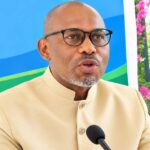
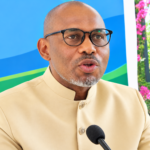
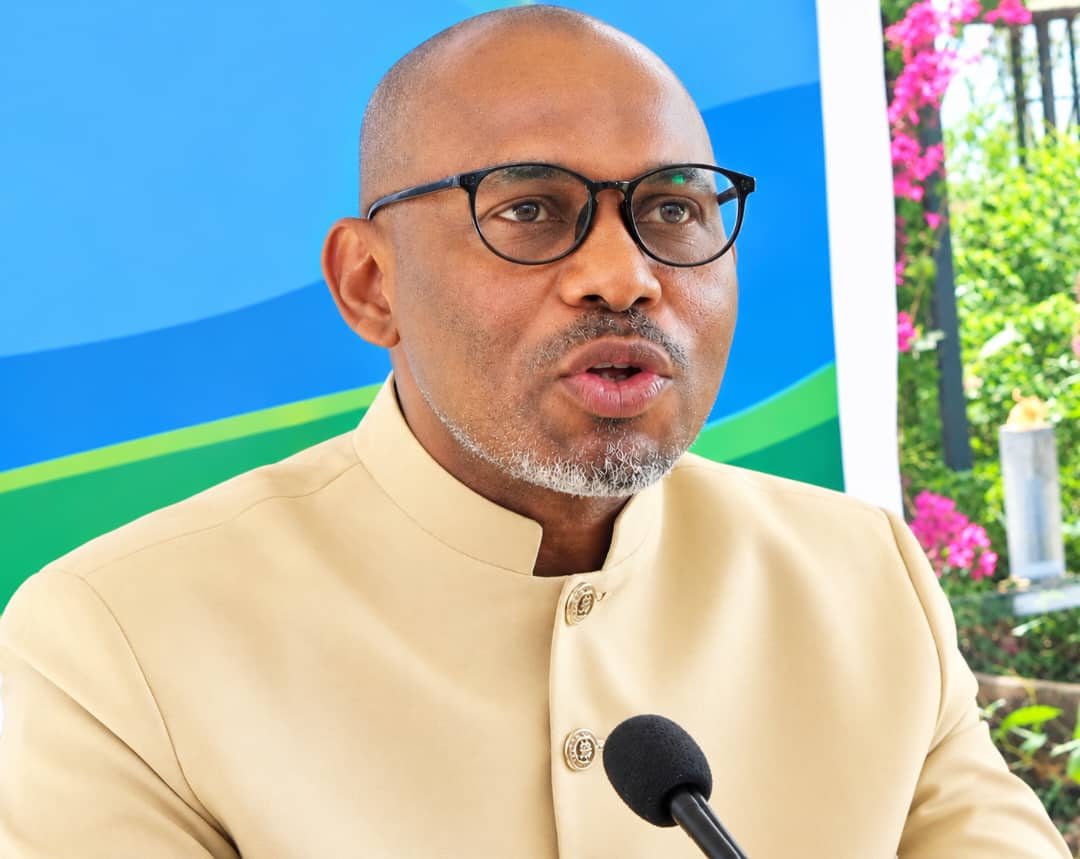
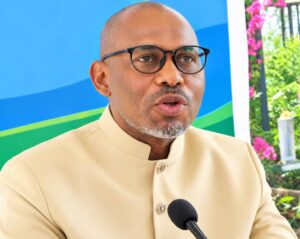
A Nigerian lawyer and political scientist, Okey Gideon Agbo, has acknowledged the ambitious infrastructure drive of Enugu State Governor, Dr Peter Mbah, while advocating greater transparency, accountability and measurable assessment of projects to strengthen public confidence in the administration.
Agbo, in a socio-political and economic assessment of the Mbah administration titled “The Mbah Administration in Enugu State: A Socio-Political and Economic Critique of Developmentalism,” acknowledged the government’s investments in education, healthcare, road infrastructure, agriculture, aviation, water supply, security and urban development as commendable.
“Governor Peter Ndubuisi Mbah’s administration has introduced a markedly different style of governance into Enugu State. Since assuming office in 2023, the administration has pursued extraordinarily ambitious programmes of roads, schools, healthcare facilities, water infrastructure, transport terminals, housing, agriculture, security technology, aviation and urban development. The administration’s own figures indicate the scale of the ambition. Its 2026 budget is approximately 1.617 trillion, of which about 1.296 trillion-80 percent is allocated to capital expenditure. Education receives approximately 32.27 percent of the budget. There is therefore little doubt that the Mbah administration represents a departure from the traditionally conservative expenditure pattern of many of his predecessors in the state or Nigerian subnational governments”.
He, however, stressed the need to evaluate the administration’s achievements beyond the number of projects executed, arguing that the ultimate measure of development should be the tangible improvement in citizens’ living conditions, but further acknowledged that the harsh economic condition is not peculiar to Enugu state.
According to him, “Mega-projects can be instruments of development, but they are not development itself. Development occurs when public investment is converted into sustainable improvements in human welfare, productivity, institutional capacity and economic opportunity.”
The political scientist noted that the administration’s substantial capital expenditure reflected an ambitious development agenda but called for more comprehensive public information on project costs, implementation, maintenance and socioeconomic benefits.
He particularly highlighted the Smart Green Schools initiative, describing its objective of modernising public education as commendable, while emphasising the importance of assessing its impact on learning outcomes, teacher preparedness, technology maintenance and students’ accessibility to the facilities.
Agbo also called for a transparent assessment of major projects, including Enugu Air, the International Conference Centre, agricultural estates and urban development initiatives, to establish their economic viability, sustainability and value to the public.
He maintained that such assessments should not be interpreted as opposition to the government’s development agenda but as constructive measures to strengthen public accountability and ensure that investments deliver lasting benefits.
On revenue generation, Agbo acknowledged the reported increase in the state’s internally generated revenue but argued that rising government earnings should also translate into improved household incomes, employment opportunities, business growth and greater economic security for residents.
He therefore advocated clear and accessible revenue data to help citizens understand how public funds are generated, allocated and utilised.
“The real examination begins when the cameras disappear,” he said, stressing that the success of public investments should be determined by their functionality, sustainability and impact on ordinary citizens.
Agbo further observed that roads should improve farmers’ incomes, schools should enhance learning, hospitals should strengthen healthcare outcomes, and agricultural investments should increase productivity and create employment.
He urged the government to sustain its infrastructure drive while strengthening institutional capacity, project monitoring and public communication to address legitimate questions about the cost, quality and long-term benefits of its programmes.
The social critic cautioned against evaluating the administration solely through government publicity or political criticism, insisting that an objective assessment should be based on verifiable evidence and measurable development outcomes.
He said: “The people of Enugu should consequently demand the next level of accountability: not merely what has been built, but what has been achieved; not merely how much has been spent, but what value has been created.”
Agbo Agbo further noted that the administration’s long-term legacy would depend not only on the scale of infrastructure delivered between 2023 and 2027, but also on whether the projects strengthen the state’s economy, improve public services and leave citizens better off.
He maintained that constructive scrutiny, transparent governance and evidence-based evaluation would help ensure that Enugu State’s development investments translate into sustainable prosperity for its people.
EDITOR
Sam Udekwe is a journalist working in the News and Current Affairs department, Enugu State Broadcasting Service (ESBS) Enugu. He is well trained in all genres of journalistic venture.
Mr Sam read Mass Communication, graduating all with Distinction in National Diploma, Higher National Diploma and Postgraduate Diploma at IMT, Enugu and Madonna University, Okija, Anambra state, as well as M.Sc Mass Communication at National Open University of Nigeria.
He is the immediate past NUJ Chairman, Enugu state.
samowailo@gmail.com