






 Nation on Edge as 327 Schoolchildren Remain Missing Amid Rising Abductions
Parents, school proprietors and teachers across the country have expressed deep concern over the rising wave of school abductions and the uncertain fate of the 327 pupils kidnapped in Kebbi and Niger states.
The growing attacks have heightened fears within the education sector, as many worry that no institution is safe from the next assault.
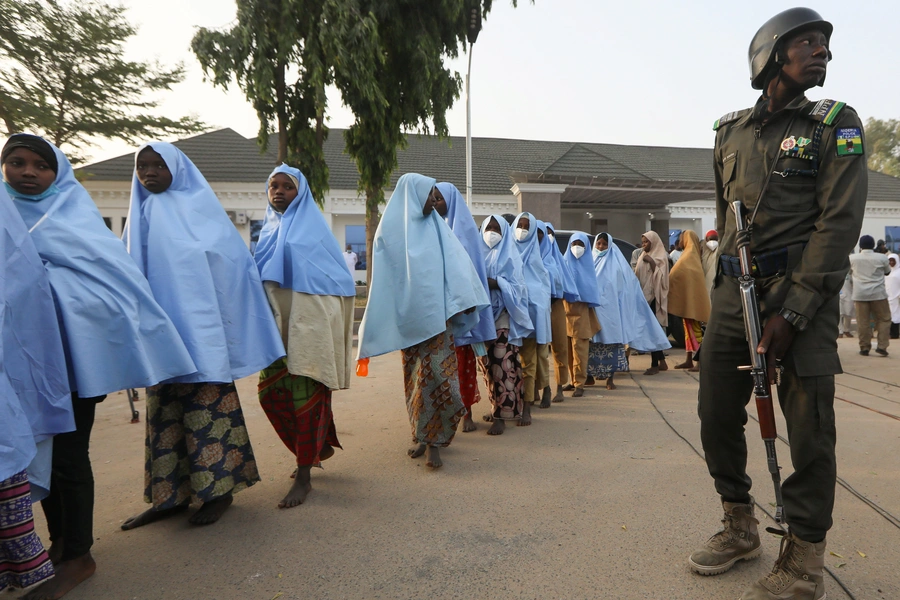
On Monday, 26 schoolgirls were seized from Government Girls Comprehensive Secondary School, Maga, Kebbi State. While two escaped, 24 remain in captivity.
In Niger State, 215 pupils and 12 teachers were initially declared abducted on Friday. The figure was later reviewed to 303 missing pupils after a headcount.
Despite assurances from security agencies and state governments about ongoing rescue operations, the locations of the abducted children remain unknown.
President of the National Proprietors of Private Schools, Otubela Abayomi, disclosed that the association’s National Executive Committee will convene today (Sunday) over the crisis. He described the spate of abductions as a threat to national growth.
“It is a matter of grave concern to us. We are reaching out to our local chairpersons to get firsthand information beyond what is reported in the media,” he said.
Abayomi said the incessant kidnappings were “painful” and “saddening,” noting that the psychological toll on school communities was immense.
“It seems there is no end to the kidnapping of children and workers within schools. This is not good for national development. Those meant to lead the country tomorrow are being denied the education they need today,” he lamented.
Also reacting, the National Parent Teacher Association of Nigeria President, Alhaji Haruna Danjuma, described the situation as “scary,” urging the Federal Government to ensure the safe return of the abducted students.
“We don’t want a repeat of the Chibok experience. The bandits seem to have outsmarted our security agencies. Government must bring back our children,” he warned.
Addressing the worsening insecurity, President Bola Tinubu on Saturday reaffirmed his resolve to dismantle terrorist networks and restore peace, especially in the northern region.
Speaking through the Speaker of the House of Representatives, Tajudeen Abbas, at the 25th anniversary of the Arewa Consultative Forum in Kaduna, Tinubu described the situation as “one of the gravest tests” Nigeria has faced.
“No region of Nigeria will be abandoned to violence. We will dismantle banditry architecture and restore safety to the region,” the President vowed.
Tinubu said the security crisis was “deep and layered,” calling on northern leaders to help rebuild communal trust.
Fresh information has surfaced regarding the attack on St Mary’s Catholic Primary and Secondary Schools in Papiri, Niger State.
The school principal, Rev. Sr. Felicia Gyang, in a video clip dated November 21, narrated how armed men stormed the school around midnight, breaching several gates as children screamed in panic.
“The incident happened past 12am. We heard noise—motorbikes, cars—and then heavy bangs on the gates. Children were crying everywhere,” she said.
Gyang said efforts to reach security operatives during the attack were unsuccessful. The assailants operated from 1am to 3am, moving from dormitory to dormitory before herding pupils into vehicles and motorcycles.
The Catholic Diocese of Kontagora confirmed the incident, stating that a security guard was shot and multiple security points were overrun.
The church dismissed online claims that the school ignored prior warnings to close its boarding facilities.
“Following security threats in 2021, the school was shut down for five months and special security personnel were hired,” the diocese clarified.
The Chairman of the Niger State chapter of the Christian Association of Nigeria, Rev. Bulus Yohanna, said the kidnappers had not contacted families.
Parents and school officials, he added, were “traumatised and devastated.”
In response to the worsening situation, several states—including Niger, Kebbi and Adamawa—have announced new security measures.
The Niger State Government ordered the closure of all public and private schools. Tertiary institutions were exempted, except those in high-risk areas.
Similarly, three major tertiary institutions in Kebbi—Kebbi State Polytechnic, Dakingari; College of Health Sciences and Technology, Jega; and Abdullahi Fodio University of Science and Technology, Aliero—announced immediate closure, directing students to vacate their campuses.
The Adamawa State Government also ordered all boarding schools to switch temporarily to day-school operations.
Other states such as Kwara, Plateau, Katsina and Taraba have taken similar steps in recent months.
The Federal Ministry of Education, however, clarified that it had not ordered a nationwide shutdown.
Opposition parties and security analysts have urged the Federal Government to implement deep structural reforms rather than simply replacing service chiefs.
Interim National Chairman of the Labour Party, Senator Nenadi Usman, argued that sincerity of purpose—not cosmetic changes—was key to defeating terrorism.
“The problem is not in changing guards. What Nigeria needs is genuine commitment,” she said.
The Young Progressives Party spokesperson, Wale Egbeola-Martins, said foundational issues such as governance failures were driving insecurity.
Security expert Kabir Adams linked the surge in attacks to the proliferation of armed groups—estimated at about 80—operating freely.
He blamed poor implementation of the Safe Schools Initiative and inadequate public safety education.
Another expert, Jackson Ojo, attributed the crisis partly to poverty and the widening inequality between political elites and ordinary citizens.
“Changing service chiefs won’t fix a broken system. If the system is dirty, nothing will work,” he warned.
Ojo urged political leaders to stop “oppressive displays of wealth” and address root causes of insecurity.
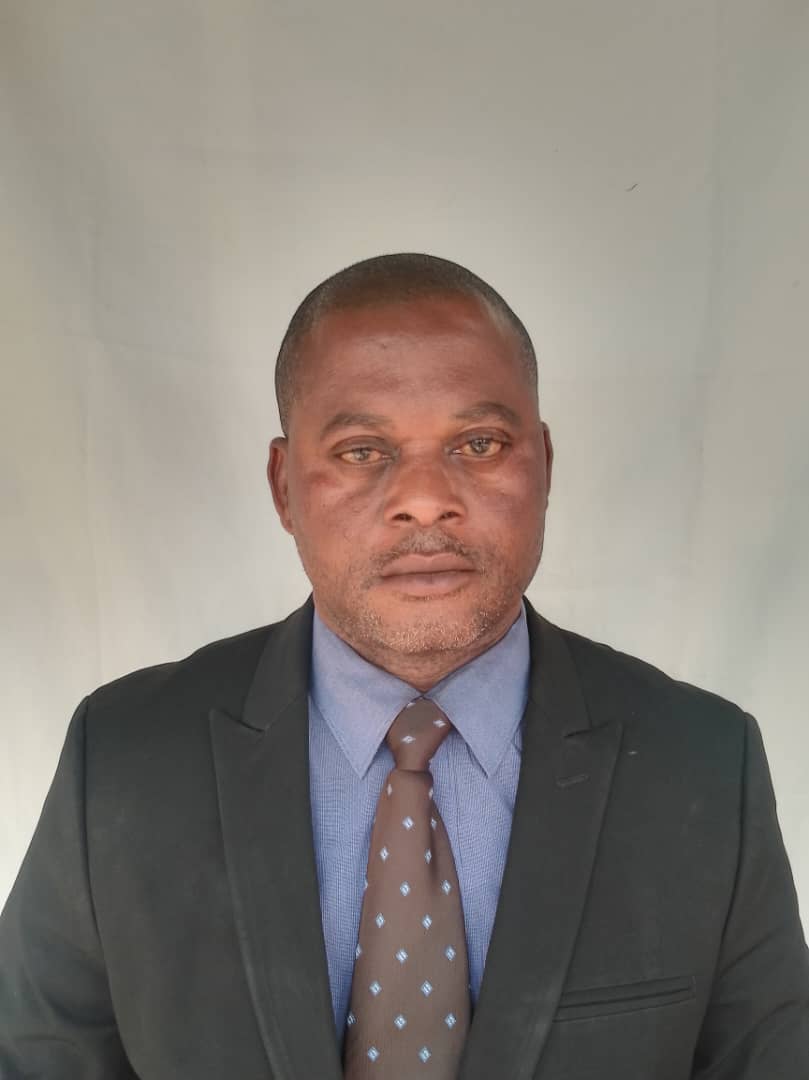
EDITOR
Sam Udekwe is a journalist working in the News and Current Affairs department, Enugu State Broadcasting Service (ESBS) Enugu. He is well trained in all genres of journalistic venture.
Mr Sam read Mass Communication, graduating all with Distinction in National Diploma, Higher National Diploma and Postgraduate Diploma at IMT, Enugu and Madonna University, Okija, Anambra state, as well as M.Sc Mass Communication at National Open University of Nigeria.
He is the immediate past NUJ Chairman, Enugu state.
samowailo@gmail.com