



 US Tightens Travel Curbs on Nigeria, 14 Other Countries Over Security Risks
The United States has imposed new travel restrictions on Nigeria and 14 other countries, citing security concerns linked to weak screening, vetting and information-sharing systems.
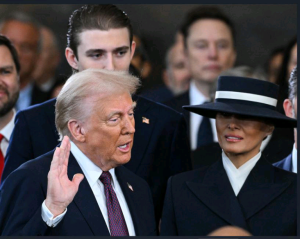
President Donald Trump signed the proclamation on Tuesday December 16, expanding existing travel curbs as part of what the White House described as a “data-driven, common-sense” effort to protect US national security and public safety.
Nigeria is among 15 countries newly placed under partial entry restrictions, according to a White House fact sheet titled President Donald J. Trump Further Restricts and Limits the Entry of Foreign Nationals to Protect the Security of the United States. The move follows Trump’s earlier decision, on October 31, to designate Nigeria a “country of particular concern” over allegations of widespread persecution of Christians.
Explaining Nigeria’s inclusion, US authorities pointed to the activities of extremist groups within the country. “Radical Islamic terrorist organisations such as Boko Haram and the Islamic State operate freely in certain parts of Nigeria, creating significant challenges for effective screening and vetting,” the White House said.
The administration also cited visa compliance data, noting that Nigeria recorded a 5.56% overstay rate for B-1/B-2 visitor visas, while F, M and J student and exchange visas had an overstay rate of 11.90%, according to the US overstay report.
Under the proclamation, full entry restrictions remain in force for nationals of the original 12 high-risk countries listed in Proclamation 10949: Afghanistan, Burma, Chad, the Republic of the Congo, Equatorial Guinea, Eritrea, Haiti, Iran, Libya, Somalia, Sudan and Yemen.
Five additional countries – Burkina Faso, Mali, Niger, South Sudan and Syria have now been placed under full restrictions, along with individuals holding Palestinian Authority-issued travel documents. Laos and Sierra Leone, previously subject to partial restrictions, have also been elevated to full bans.
Meanwhile, Burundi, Cuba, Togo and Venezuela continue to face partial entry limitations.
The new measures extend partial restrictions to 15 more countries: Angola, Antigua and Barbuda, Benin, Côte d’Ivoire, Dominica, Gabon, The Gambia, Malawi, Mauritania, Nigeria, Senegal, Tanzania, Tonga, Zambia and Zimbabwe.
The White House said exemptions would apply to lawful permanent residents, existing visa holders, diplomats, athletes and individuals whose entry is deemed to serve US national interests. Although some family-based immigrant visa exemptions linked to high fraud risks have been narrowed, case-by-case waivers remain available.
According to the administration, the policy is designed to prevent the entry of individuals about whom the US lacks sufficient information to assess potential risks, while encouraging greater cooperation from foreign governments and stronger enforcement of immigration laws.
“It is the President’s duty to take action to ensure that those seeking to enter our country will not harm the American people,” Trump was quoted as saying.
The fact sheet said the decision followed consultations with cabinet officials and security assessments carried out under Executive Order 14161 and Proclamation 10949. Factors cited included corruption, unreliable civil and criminal records, weak birth-registration systems, refusal to share law-enforcement data, and citizenship-by-investment programmes that obscure applicants’ identities.
High visa overstay rates, refusal to accept deported nationals, and the presence of terrorist and criminal networks were also highlighted.
The proclamation forms part of Trump’s broader security agenda and revives policies similar to earlier travel bans upheld by the US Supreme Court as falling within presidential authority and grounded in legitimate national security objectives.
In a partial reversal, the White House announced that restrictions on non-immigrant visas for Turkmenistan had been lifted following improved cooperation with US authorities, though the suspension of immigrant visas for Turkmen nationals remains in place.
EDITOR
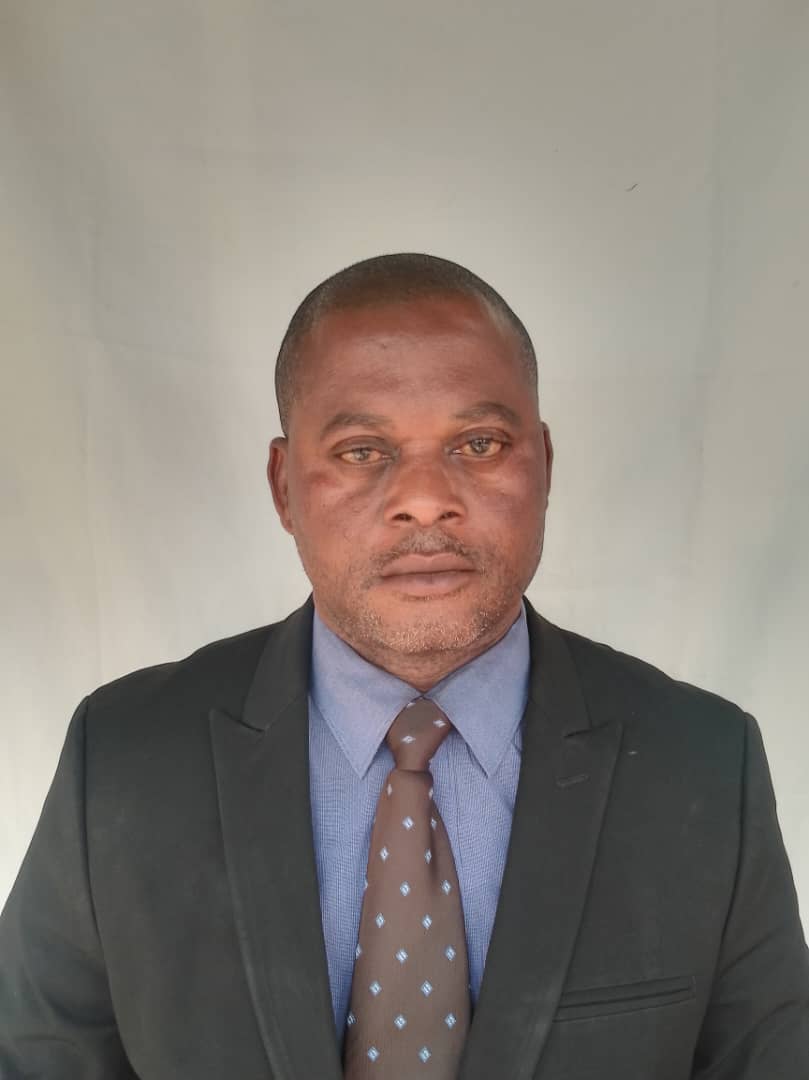
Sam Udekwe is a journalist working in the News and Current Affairs department, Enugu State Broadcasting Service (ESBS) Enugu. He is well trained in all genres of journalistic venture.
Mr Sam read Mass Communication, graduating all with Distinction in National Diploma, Higher National Diploma and Postgraduate Diploma at IMT, Enugu and Madonna University, Okija, Anambra state, as well as M.Sc Mass Communication at National Open University of Nigeria.
He is the immediate past NUJ Chairman, Enugu state.
samowailo@gmail.com