









 Nwifuru’s Health Revolution: How Ebonyi is Rebuilding Its Medical System
By Nnenna Igwe
When Governor Francis Ogbonna Nwifuru assumed office as the fourth Executive Governor of Ebonyi State, the state’s health sector was confronted with a number of daunting challenges, ranging from inadequate manpower and shortages of medical supplies to the debilitating effects of the “Japa” syndrome among healthcare professionals.
Although several general hospitals and primary healthcare centres across the state had relatively impressive physical structures, many were constrained by inadequate medical personnel, drugs and modern equipment. Consequently, patients were sometimes compelled to travel long distances, or even outside the state, in search of medical services that ordinarily should have been available within Ebonyi.
It was against this backdrop that Governor Nwifuru, upon assumption of office, placed healthcare among the priority areas of his administration, anchoring his interventions on the People’s Charter of Needs.
The administration’s approach has been broad-based, encompassing manpower development, improved welfare for health workers, provision of medical equipment and drugs, emergency response, health insurance coverage and the restructuring of tertiary healthcare institutions.
Tackling manpower shortage
One of the administration’s most significant interventions has been the recruitment of health professionals.
Available records indicate that the state’s health system was operating with a limited number of medical doctors, pharmacists and other critical professionals before the present administration. In response, the Nwifuru administration embarked on the recruitment of doctors, pharmacists, nurses, laboratory scientists and other healthcare workers.
The objective is to ensure that hospitals and other health facilities are adequately staffed and capable of delivering quality services to residents.
The emphasis on manpower is significant because a hospital is only as effective as the personnel available to operate its facilities. Modern buildings and sophisticated equipment cannot, on their own, guarantee effective healthcare delivery without qualified professionals to manage them.
Boosting emergency response
The administration has also strengthened emergency medical response through the provision of utility vehicles and ambulances to general hospitals across the state.
On January 18, 2024, the vehicles were distributed to beneficiary medical personnel and health institutions, with the objective of improving mobility, emergency response and the delivery of healthcare services.
Beyond transportation, the administration has also prioritised the welfare and working environment of medical personnel.
Plans to provide befitting residential accommodation for doctors within general hospital premises are particularly significant. Such facilities would enable doctors to remain closer to their places of work and respond more promptly to emergencies and patients requiring urgent attention.
Strengthening general hospitals
Another major component of the administration’s health agenda is the equipping of general hospitals with modern medical equipment and essential drugs.
Governor Nwifuru has also directed that only cases requiring specialised tertiary intervention should be referred to tertiary health institutions.
The policy is aimed at strengthening the capacity of general hospitals, reducing unnecessary referrals and ensuring that tertiary facilities are not overwhelmed by cases that can effectively be managed at secondary healthcare level.
The expected outcome is a more coordinated healthcare system in which primary, secondary and tertiary institutions perform complementary roles.
Reviving health insurance
The revival and expansion of the Ebonyi State Health Insurance Scheme represents another important aspect of the administration’s healthcare reforms.
The government has taken steps to ensure that state civil servants are covered under the scheme and has fulfilled the required counterpart funding to facilitate its effective operation.
The administration has also indicated its intention to extend health insurance coverage to private-sector workers and other residents.
Such an expansion could significantly improve access to healthcare by reducing the financial barriers that prevent many families from seeking medical attention when needed.
Restructuring tertiary healthcare
Perhaps one of the most far-reaching aspects of Governor Nwifuru’s healthcare agenda is the restructuring of the state’s tertiary health institutions.
During his electioneering campaigns, the governor expressed concern over the condition of healthcare infrastructure in the state, particularly the former Ebonyi State University Teaching Hospital.
His administration subsequently secured approval for the unbundling of the Alex Ekwueme Federal University Teaching Hospital, Abakaliki, from the Ebonyi State University Teaching Hospital arrangement.
The development is expected to create room for healthy institutional competition, improve efficiency and expand the capacity of tertiary healthcare delivery in the state.
Rather than having healthcare institutions operating under overlapping structures and responsibilities, the reform is expected to provide clearer institutional identities and encourage improved performance.
Uburu emerging as specialised medical hub
The emergence and continued development of the David Umahi Federal University of Health Sciences, Uburu, has further added a new dimension to Ebonyi’s healthcare landscape.
The institution has developed specialised medical services, including dialysis and other complex procedures.
The expansion of specialised healthcare services within the state has the potential to reduce the number of patients who travel outside Ebonyi or even outside Nigeria in search of medical treatment.
It could also position the state as an emerging destination for specialised medical services in the South-East and beyond.
Beyond infrastructure
The significance of the Nwifuru administration’s health interventions goes beyond the construction or renovation of hospital buildings.
A functional healthcare system requires the convergence of infrastructure, qualified manpower, medical supplies, modern equipment, health insurance and specialised services.
The administration’s interventions appear to be directed towards creating such an integrated system.
For the ordinary Ebonyian, the ultimate measure of success will be whether a pregnant woman can access quality antenatal and delivery services close to home; whether a child can receive prompt treatment without travelling long distances; whether emergency cases can be attended to without avoidable delays; and whether families can obtain essential medical services without being pushed into financial hardship.
Fighting brain drain
The administration’s focus on the welfare and working conditions of health professionals is equally important in the face of the persistent “Japa” syndrome.
The exodus of highly trained Nigerian medical professionals to countries offering better remuneration, working conditions and professional opportunities has posed a serious challenge to healthcare delivery across the country.
For Ebonyi, creating a more attractive working environment through improved remuneration, welfare, professional development and conducive working conditions could help to retain existing professionals while attracting others back to the state.
A reduction in brain drain would, in turn, strengthen institutional capacity and improve continuity in healthcare services.
Wider economic benefits
The revitalisation of the health sector also carries significant economic implications.
A stronger healthcare system will create employment opportunities for doctors, nurses, pharmacists, laboratory scientists, technicians, administrative personnel and other allied professionals.
It will also stimulate economic activities around medical services, pharmaceuticals, accommodation, transportation and other related sectors.
More importantly, residents who previously travelled outside the state for treatment would be able to access a growing range of services within Ebonyi, thereby retaining significant economic resources in the state.
Hope for the grassroots
The potential benefits are particularly important for residents of rural communities.
Pregnant women, children, the elderly and other vulnerable groups often bear the greatest burden when healthcare facilities are distant, poorly equipped or inadequately staffed.
Strengthening primary and secondary healthcare facilities can bring quality medical services closer to the people and contribute to improved maternal and child health outcomes.
The provision of drugs, equipment and qualified personnel to hospitals should therefore be viewed not simply as government expenditure, but as an investment in the lives, productivity and future of Ebonyi citizens.
A long-term transformation
Governor Nwifuru’s healthcare agenda is, therefore, broader than the renovation of hospitals or procurement of medical equipment.
It represents an attempt to address the fundamental pillars of healthcare delivery — manpower, infrastructure, equipment, drugs, emergency response, health insurance, workers’ welfare and specialised medical services.
There is no doubt that challenges remain, and much more needs to be done to consolidate the gains already recorded.
However, the direction of the administration’s interventions is unmistakable: to move Ebonyi’s health sector from a system constrained by manpower and resource deficiencies towards one capable of providing accessible, affordable and quality healthcare to its citizens.
If the initiatives are sustained, properly funded and expanded, Ebonyi could gradually emerge as a regional hub for medical services, attracting healthcare professionals, investments and patients from within and outside the South-East.
Ultimately, the success of any government’s healthcare policy should be measured by its impact on the lives of ordinary citizens.
For Ebonyi, the continuing investment in the health sector offers the prospect of a healthier population, a more productive workforce and a stronger economy.
After all, a healthy population is the foundation of a productive society, and the wellbeing of the people remains one of the clearest measures of good governance.
Hon. Mrs Nnenna Igwe, the
General Manager, Ebotrans, writes from Abkaliki.
EDITOR
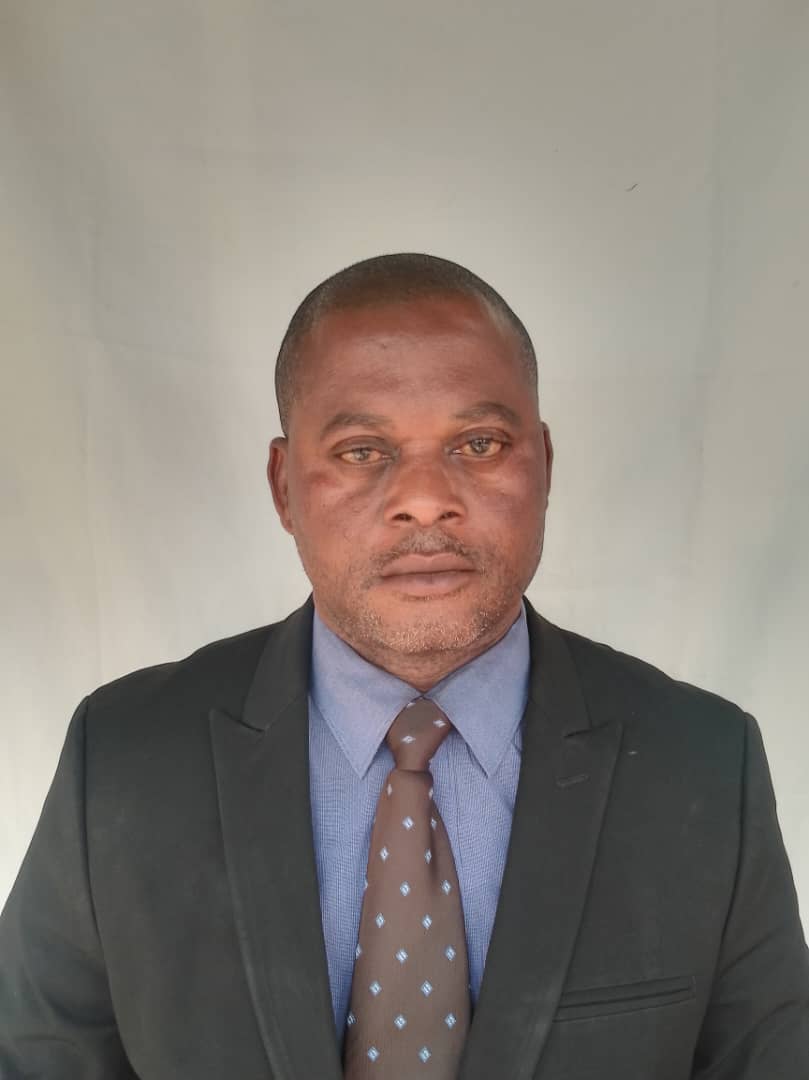
Sam Udekwe is a journalist working in the News and Current Affairs department, Enugu State Broadcasting Service (ESBS) Enugu. He is well trained in all genres of journalistic venture.
Mr Sam read Mass Communication, graduating all with Distinction in National Diploma, Higher National Diploma and Postgraduate Diploma at IMT, Enugu and Madonna University, Okija, Anambra state, as well as M.Sc Mass Communication at National Open University of Nigeria.
He is the immediate past NUJ Chairman, Enugu state.
samowailo@gmail.com