






 Vision 2050: SEDC Targets $1 Trillion Economy Through “One-Region, One-Market” Blueprint
The South East Development Commission (SEDC) has unveiled an ambitious development blueprint aimed at growing the South-East regional economy to a value of one trillion dollars within the next decade, through coordinated economic planning and strategic collaboration among the five states of the region.
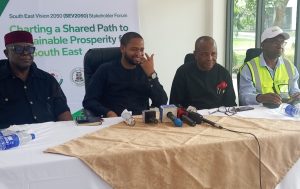
The Managing Director and Chief Executive Officer of the Commission, Mr Mark Okoye, disclosed this at a world press conference held in Enugu as part of the Commission’s media engagement ahead of its Economic Stakeholders’ Forum on the South East Vision 2050 (SEV2050).
Okoye said the long-term development framework is anchored on a “one-region, one-market” philosophy designed to deepen economic integration, promote specialisation and unlock scale advantages across the South-East.
“Our objective is to build a coordinated regional economy that leverages the comparative and competitive strengths of each state, while pooling resources to create a much larger and more resilient economic bloc,” he said. “If we work as one region and one market, the shift from 40 billion dollars to 200 billion dollars target will be an understatement, the South-East can realistically achieve a one-trillion-dollar economy within the next 10 years.”
According to him, the forthcoming stakeholders’ forum, themed “Charting a Shared Path for Sustainable Development of the South East,” will serve as a strategic platform to define, harmonise and align the economic roles of the five states within a shared development architecture.
Okoye outlined a proposed economic mapping of the region under the Vision 2050 plan, noting that Enugu State is envisioned as the administrative capital of the South-East; Anambra State as the regional hub for trade and commerce; Imo State as the centre for tourism and hospitality; Ebonyi State as the primary source of food production and construction materials; and Abia State as the industrial capital of the region.
“This is not about competition among states, but about complementarity,” he said. “Each state has a distinct role to play, and when these roles are properly aligned, the outcome will be sustainable growth that benefits the entire region.”
The SEDC boss stressed that collaboration among the states remains central to the success of the Vision 2050 agenda, warning that fragmented approaches would undermine the region’s development potential.
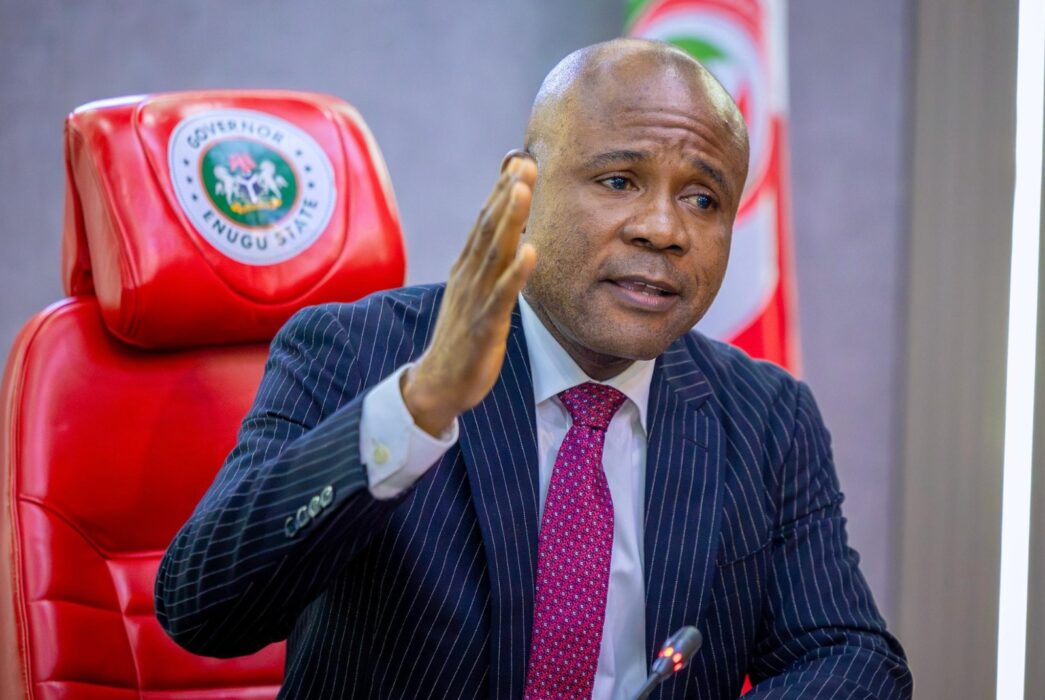
He commended the governors of the South-East for their support and cooperation since the establishment of the Commission, describing their commitment as critical to the Commission’s early progress. In particular, Okoye praised the Governor of Enugu State, Dr Peter Mbah, for taking concrete steps to provide a functional structure for the Commission at its secretariat.
“The support we have received from the South-East governors has been encouraging,” he said. “Governor Peter Mbah has demonstrated leadership by ensuring that the Commission has a functional base from which to operate.”
Okoye further noted that the South-East Governors’ Forum would serve as a key institutional mechanism for coordination, policy alignment and effective implementation of the Commission’s programmes, thereby improving the prospects of achieving its development targets.
He explained that the core mandate of the SEDC is to reposition the South-East in line with contemporary economic growth strategies, with clearly defined project priorities capable of creating development value chains and triggering successive rounds of growth across critical sectors.
Within its first year of inauguration, Okoye revealed, the Commission had undertaken extensive familiarisation and engagement visits to about 25 federal government agencies, as well as other strategic stakeholders, to strengthen its institutional presence and foster inter-agency collaboration in regional development efforts.
On the role of the media, the Managing Director described journalists and media organisations as indispensable partners in the Commission’s work.
“The media are critical stakeholders in this journey,” he said. “They are part of our communication infrastructure, and we will continue to engage them actively as we implement our programmes and pursue our development goals.”
Executive Directors of the SEDC, who accompanied Okoye at the press conference, provided further clarifications on the Commission’s mandate and its preparatory efforts to lay a solid foundation for sustainable development in the region.
They jointly commended President Bola Ahmed Tinubu for the establishment of the South East Development Commission, noting that despite longstanding calls for a dedicated regional development agency, successive administrations had failed to actualise the initiative.
“The creation of the SEDC is a landmark intervention for the South-East,” one of the Executive Directors said. “It provides an institutional framework to address the region’s development challenges in a structured and sustainable manner.”
The forthcoming Economic Stakeholders’ Forum is expected to bring together government officials, private sector leaders, development partners from within and outside Nigeria as well as civil society organisations to align interests, define priorities and chart a collective path towards the realisation of the South-East Vision 2050.
EDITOR
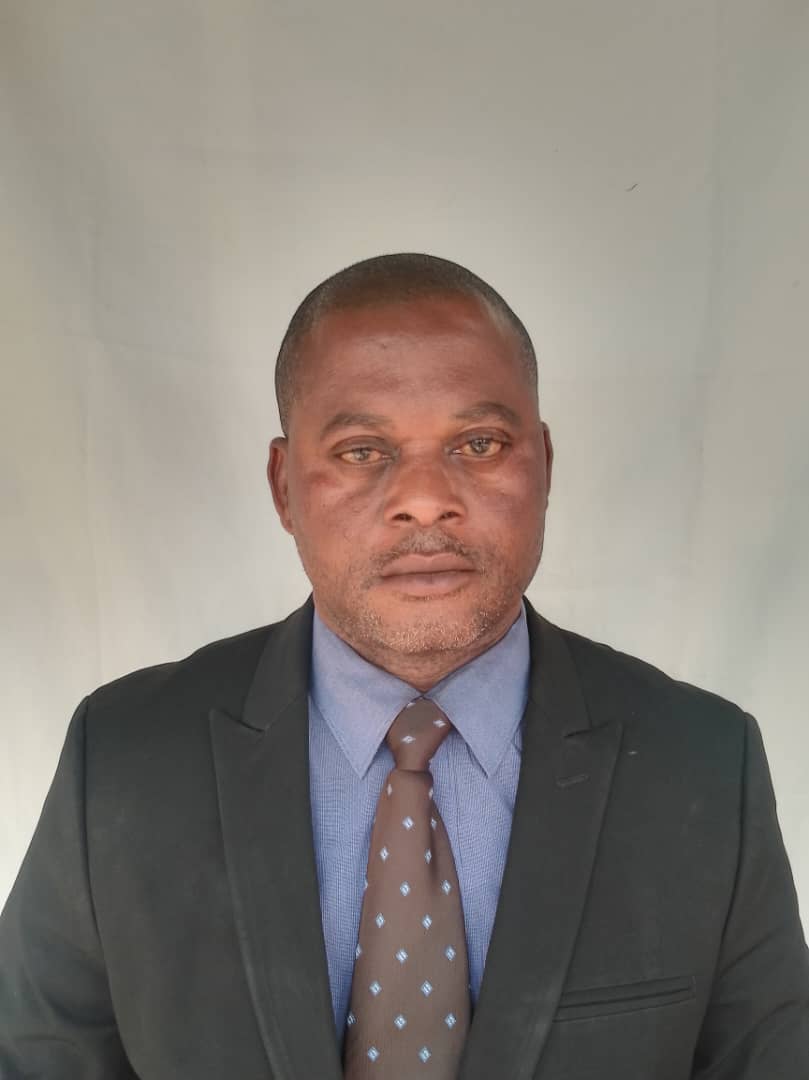
Sam Udekwe is a journalist working in the News and Current Affairs department, Enugu State Broadcasting Service (ESBS) Enugu. He is well trained in all genres of journalistic venture.
Mr Sam read Mass Communication, graduating all with Distinction in National Diploma, Higher National Diploma and Postgraduate Diploma at IMT, Enugu and Madonna University, Okija, Anambra state, as well as M.Sc Mass Communication at National Open University of Nigeria.
He is the immediate past NUJ Chairman, Enugu state.
samowailo@gmail.com