




 UNICEF Raises Alarm as 15% of Enugu Children Suffer Stunted Growth, Pushes Improved Nutrition
The United Nations Children’s Fund (UNICEF) has expressed concern over the prevalence of child malnutrition in Enugu State, revealing that about 15 per cent of children in the state suffer from stunted growth due to inadequate nutrition.
The organisation stressed that proper nutrition during the first 1,000 days of a child’s life – from conception to the second birthday, is crucial for healthy physical growth, brain development and lifelong wellbeing.
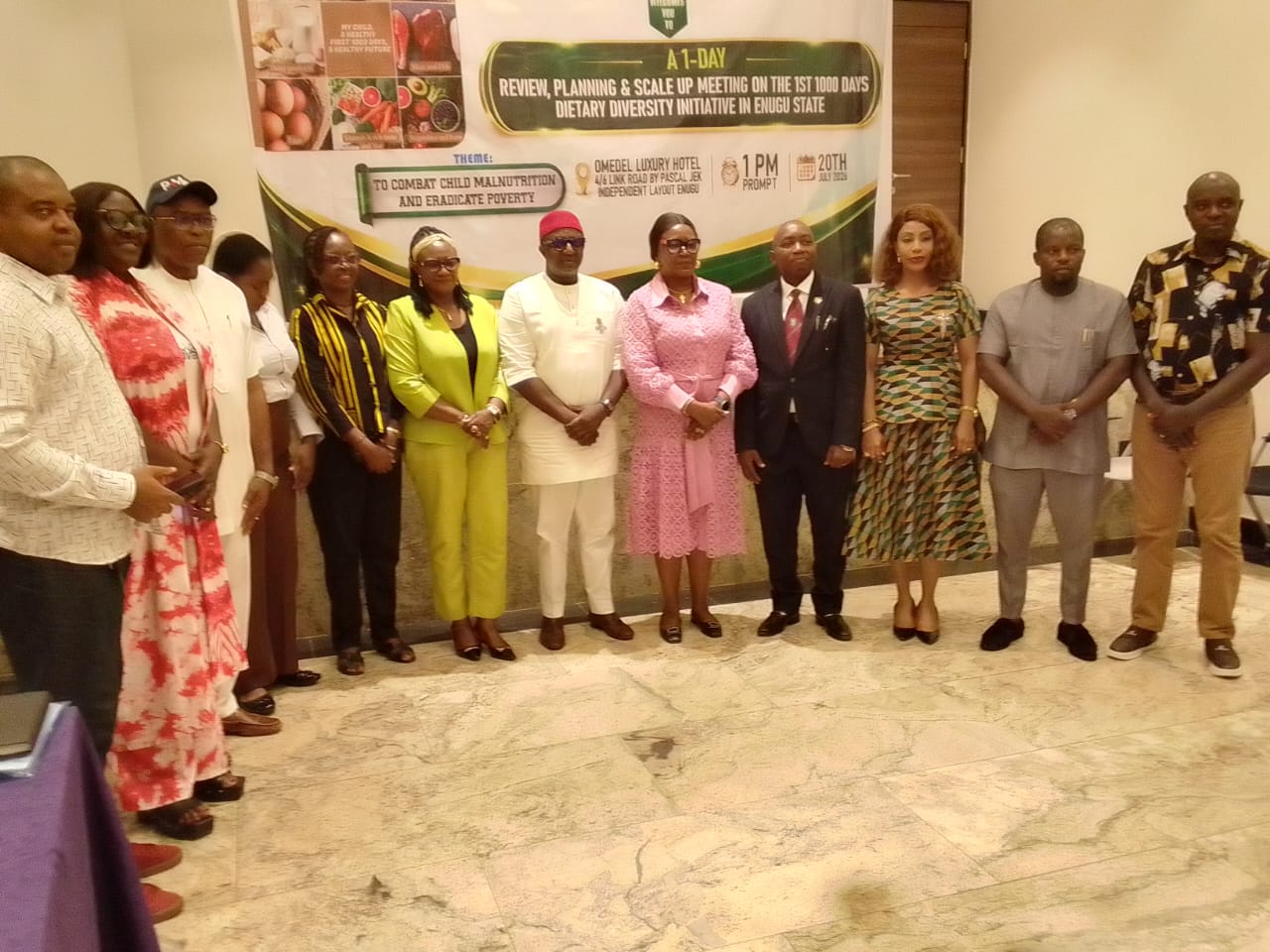
Speaking during a one-day Review, Planning and Scale-up Meeting on the First 1,000 Days Dietary Diversity Initiative in Enugu State, themed “Combat Child Malnutrition and Enhance Healthy Growth,” UNICEF Nutrition Specialist at the Enugu Field Office, Dr Ngozi Onuora, described the situation as worrisome, particularly for a state renowned for its agricultural potential.
She disclosed that Enugu is among the focal states benefiting from a United States-funded intervention aimed at preventing malnutrition during the critical first 1,000 days of life.
According to Onuora, UNICEF introduced a dietary diversity model project in the state to ensure that children receive balanced and nutritious meals after the first six months of exclusive breastfeeding.
“After six months of exclusive breastfeeding, children should be introduced to a variety of nutritious foods to support their growth and development. Unfortunately, stunting remains a challenge in Enugu State,” she said.
She explained that approximately 15 per cent of children in the state are stunted, meaning they are shorter than the expected height for their age due to prolonged undernutrition.
Onuora further disclosed that only 28 per cent of children aged between six and 23 months receive the recommended minimum dietary diversity, leaving a significant number without adequate daily nutritional requirements.
She said UNICEF’s intervention is currently being implemented in Igbo-Etiti, Udi and Nkanu West Local Government Areas, where women have been trained on exclusive breastfeeding, dietary diversity and complementary livelihood activities such as goat rearing, vegetable gardening and the production of complementary foods.
According to her, beneficiaries have continued to share testimonies of improved child growth and healthier feeding practices resulting from the programme.
Earlier, the Enugu State Commissioner for Human Development and Poverty Eradication, Prof. Bernadette Okoli, said the first 1,000 days of a child’s life remain the most critical period for ensuring proper nutrition, healthy growth and cognitive development.
She noted that adequate nutrition during this period significantly improves children’s chances of survival, enhances learning capacity and boosts future productivity.
Okoli stressed that malnutrition is both a cause and a consequence of poverty, as families living in poverty often struggle to access nutritious food, quality healthcare and other essential services.
She said the review meeting was convened to assess progress made so far, strengthen collaboration among stakeholders, identify existing gaps and develop practical strategies for expanding the dietary diversity initiative across all local government areas of the state.
Also speaking, the Deputy Chairman of Aninri Local Government Area, Hon. Mary Oluchi Nwani, reaffirmed the council’s commitment to promoting child nutrition through increased support for agriculture, livestock farming and the utilisation of locally produced crops and grains in food formulation.
The meeting attracted key stakeholders, including the Enugu State Commissioner for Health, Prof. George Ugwu; Commissioner for Agriculture and Agro-Economy, Mr Patrick Ubru; Executive Secretary of the Enugu State Primary Healthcare Development Agency, Dr. Ifeyinwa Ani-Osheku; the Chairman of the Association of Local Governments of Nigeria (ALGON), Enugu State chapter, Sydney Edeh, represented by the Chairman of Udenu Local Government Area, Hon. Aka Eze Aka, as well as deputy chairmen from Enugu East and Isi-Uzo Local Government Areas, Engr David Aneke and Cyril Obinna Nnabuchi, respectively.
EDITOR
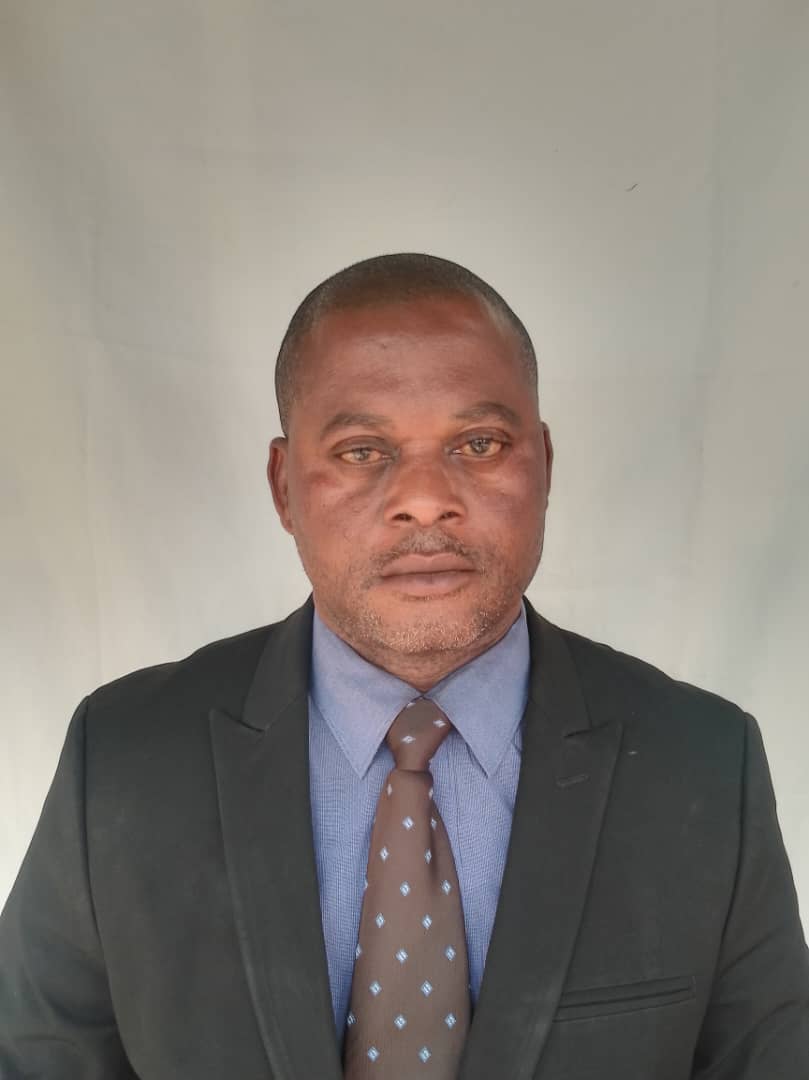
Sam Udekwe is a journalist working in the News and Current Affairs department, Enugu State Broadcasting Service (ESBS) Enugu. He is well trained in all genres of journalistic venture.
Mr Sam read Mass Communication, graduating all with Distinction in National Diploma, Higher National Diploma and Postgraduate Diploma at IMT, Enugu and Madonna University, Okija, Anambra state, as well as M.Sc Mass Communication at National Open University of Nigeria.
He is the immediate past NUJ Chairman, Enugu state.
samowailo@gmail.com