Ugwuanyi’s Legacy of Quiet Transformation: NUJ Honours Former Enugu Governor With Hall of Fame Induction
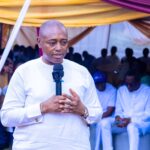
When the Nigeria Union of Journalists (NUJ), Enugu State Council, converged on the International Conference Centre, Enugu on Thursday, December 4, 2025, it was more than a routine convocation of media practitioners marking their annual Press Week. It became a moment of history—one that reflected both institutional memory and the enduring legacy of a leader whose relationship with the press redefined governance in Enugu State.
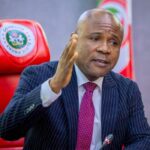
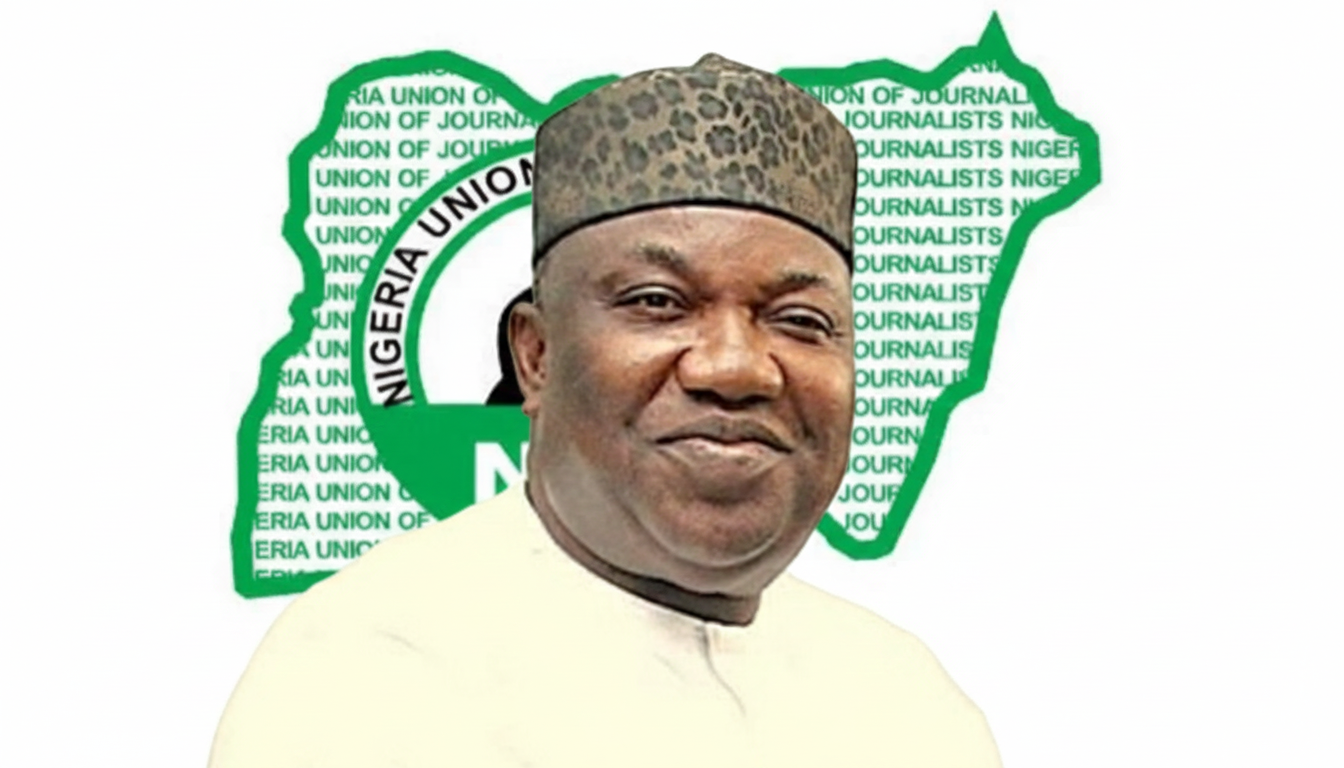
Rt Hon. Ifeanyi Lawrence Ugwuanyi, immediate past governor of the state and an ambassadorial nominee, was inducted into the NUJ Enugu Hall of Fame, pioneering the Institution. The recognition, the union declared, was not merely honorary; it was earned through a record of consistent support, infrastructural transformation, and an almost understated commitment to strengthening journalism as a pillar of democracy.
The honour, the NUJ stated in its citation, was reserved for only those whose contributions had “historic and transformative” impact. For Ugwuanyi, it was a culmination of eight years of a governance approach that placed journalists not at the periphery of public service, but at its moral and operational core.
A Governor Who Rewrote the Story of Media Infrastructure
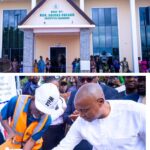
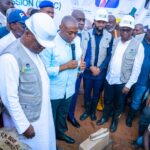
If the induction had one central thread, it was infrastructure—tangible, visible, and unprecedented. Under Ugwuanyi, the NUJ Press Centre in Enugu, during the leadership of Comrade Samuel Ofonna Udekwe as Chairman, underwent a reconstruction and modernisation project hailed as the most ambitious investment ever made in the union’s history in the state. What once stood as a modest professional hub was transformed into a modern facility befitting a vibrant media community. The upgrade was so significant that the union renamed the edifice the Ifeanyi Ugwuanyi Press Centre—a symbolic gesture rarely accorded to a sitting or former governor.
Yet the vision did not end in Enugu metropolis. Ugwuanyi extended the same consideration to journalists in the Nsukka zone, where he constructed a brand-new Press Centre from scratch. For media practitioners long accustomed to operating in makeshift spaces or rented facilities, the new structure was more than an office; it was an affirmation of their relevance.
In a state often marked by regional disparities, the decentralisation of media infrastructure resonated deeply. It spoke to a leader conscious of inclusion and accessibility, ensuring journalists outside the capital were not left behind.
Welfare and Capacity Building: Investing Beyond Structures
Ugwuanyi’s relationship with the press was not built solely on concrete and aesthetics. The NUJ highlighted a sustained pattern of human-oriented support—one that addressed professional development, welfare, and the holistic wellbeing of practitioners.
During his tenure, numerous journalists benefited from government-sponsored capacity-building programmes, both within Nigeria and abroad. Training workshops, professional exchange platforms, and experiential development initiatives became regular features, enabling reporters and editors to refine their skills in an era of rapidly evolving media practice.
There were also the more personal touches: sponsorship of journalists on pilgrimages to the Holy Land, designed to foster not just spiritual refreshment but mental renewal amidst the pressures of the newsroom. Many saw this gesture as an acknowledgment of the emotional labour journalism often demands.
A Relationship Marked by Respect and Accessibility
Across the speeches and reminiscences shared at the Press Week, one theme echoed unmistakably: Ugwuanyi’s humility. The NUJ described him as a leader who “viewed the media as partners in governance and essential to public enlightenment.”
In an era when the relationship between political power and the press often veers toward hostility, the former governor stood out for cultivating trust and accessibility. Journalists testified to an administration where information was not hoarded, and where openness reduced friction between government and the fourth estate.
His leadership style also, perhaps unintentionally, made the job easier for reporters. With projects physically visible and administrative achievements grounded in evidence, journalists did not have to sift through half-truths or construct narratives to justify performance. The facts, they said, were always on the ground.
A Hall of Fame and a Legacy to Match
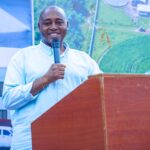
Ugwuanyi’s induction into the NUJ Hall of Fame is particularly symbolic because it inaugurates the initiative—making him its pioneer honouree. Represented by public affairs analyst Ambrose Igboke, the former governor received a tribute befitting a trailblazer.
“For exceptional contributions—historic infrastructural support, unwavering commitment to press freedom and welfare, and a legacy of empowerment that continues to uplift the journalism community—the Enugu State Council of the Nigeria Union of Journalists proudly inducts Rt Hon. Ifeanyi Ugwuanyi into its Hall of Fame,” the citation read.
The moment was one of the high points of the 2025 Press Week, and for many journalists present, it affirmed that the relationship between leadership and the media need not be adversarial. It can be collaborative, respectful, and rooted in mutual acknowledgement of roles in shaping society.
Beyond Politics, a Record That Speaks
Ugwuanyi has long been known for a quiet brand of leadership—one that eschews flamboyance for substance. His recognition by a community often described as society’s watchdog signals that legacies need not be loud to be lasting.
At the International Conference Centre in Enugu, it was clear that the NUJ was not just honouring a former governor. It was affirming a philosophy of governance that dignifies journalism, elevates the profession, and understands that a society cannot progress without an empowered press.
Ugwuanyi’s induction into the Hall of Fame is therefore more than an award. It is a testament to what is possible when leadership recognises media not as opposition, but as partners in the democratic journey.
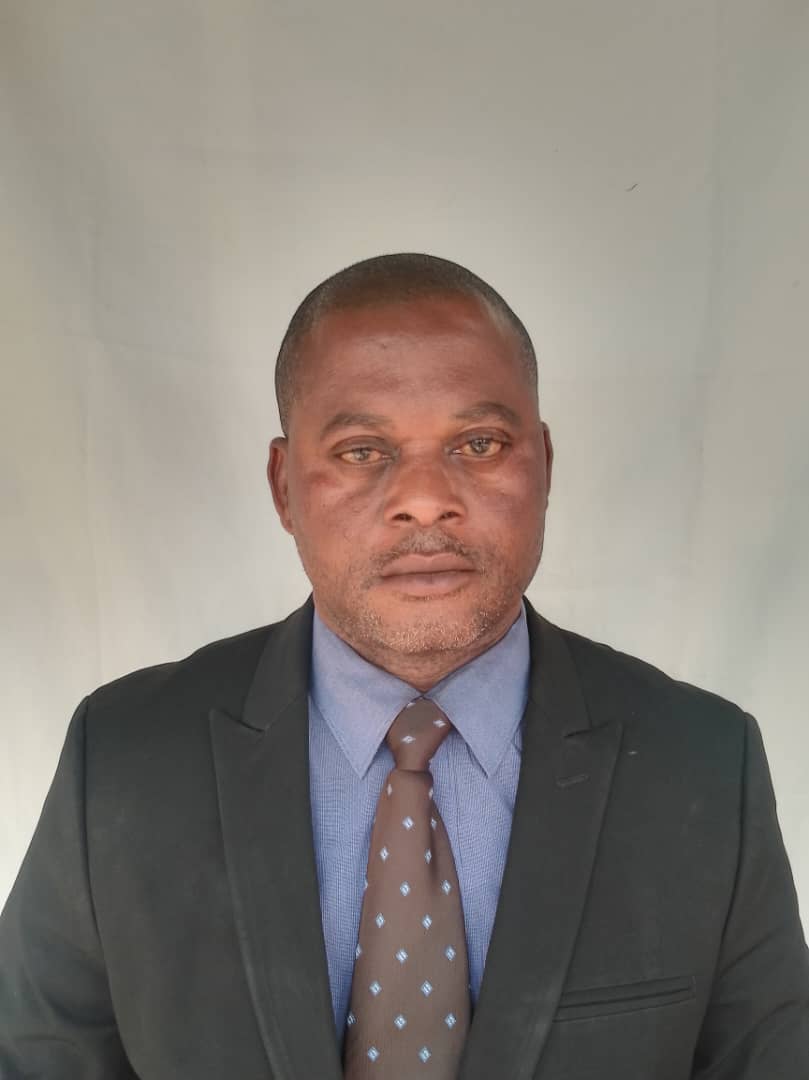
SAM UDEKWE, a broadcast journalist and an online news editor, writes from Enugu.
EDITOR
Sam Udekwe is a journalist working in the News and Current Affairs department, Enugu State Broadcasting Service (ESBS) Enugu. He is well trained in all genres of journalistic venture.
Mr Sam read Mass Communication, graduating all with Distinction in National Diploma, Higher National Diploma and Postgraduate Diploma at IMT, Enugu and Madonna University, Okija, Anambra state, as well as M.Sc Mass Communication at National Open University of Nigeria.
He is the immediate past NUJ Chairman, Enugu state.
samowailo@gmail.com